.png)
Freight Shipping Between
Los Angeles and Florida
FTL, Reefer & Hurricane-Season Freight
The longest core lane in the lower 48: 2,730 miles to Miami in five days solo, under three on team.
Reefer for the produce and pharma, and a hurricane-season playbook instead of hurricane-season excuses.
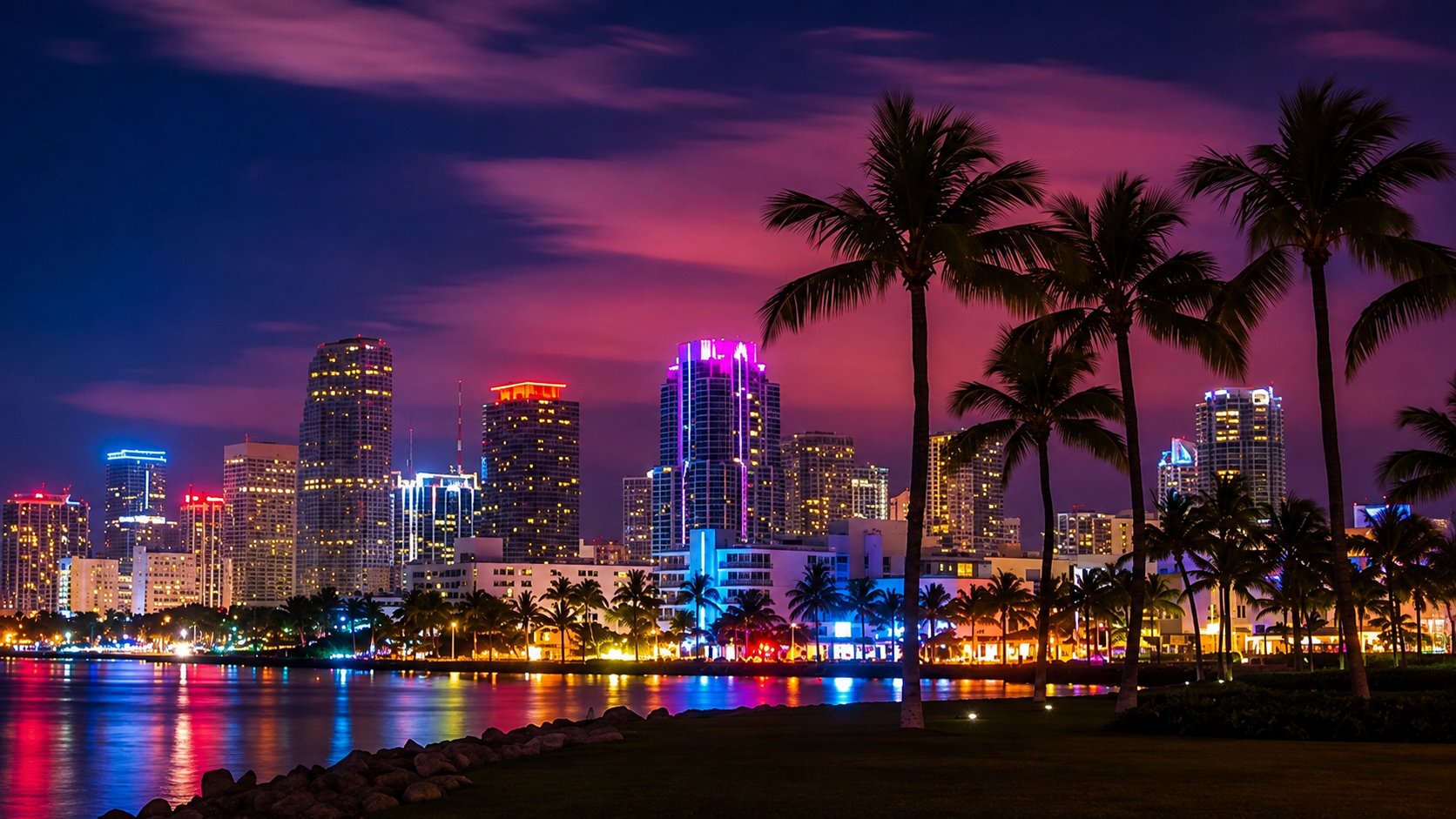
Los Angeles to Florida freight, handled end to end
Los Angeles to Miami is the longest core lane in the contiguous states, 2,730 miles of I-10 and I-75, and it behaves like it. Southbound trucks carry the consumer, e-commerce, and retail volume that feeds the third-largest state, and the I-4 corridor between Tampa and Orlando has grown into one of the country's busiest fulfillment belts to receive it. Backhaul thins out south of Orlando, which the honest version of a Florida rate reflects. And for five months a year the lane answers to the tropics: from June through November, a named storm can vacuum capacity toward relief freight, spike reefer and genset demand, and suspend transit guarantees for a week at a time.
AEEM Shipping runs Florida with the season priced in. FTL covers the state in five days solo and under three on team, LTL consolidates for the seven-to-nine-day window, reefer protects produce and pharma through the Gulf summer, and hurricane weeks run on a playbook: freight pre-positioned ahead of landfall windows, gensets secured early, and honest calls about what ships and what waits. Imports transload at the San Pedro Bay complex and roll southeast the same week the vessel discharges. One team, one tracking thread, 24/7 dispatch.
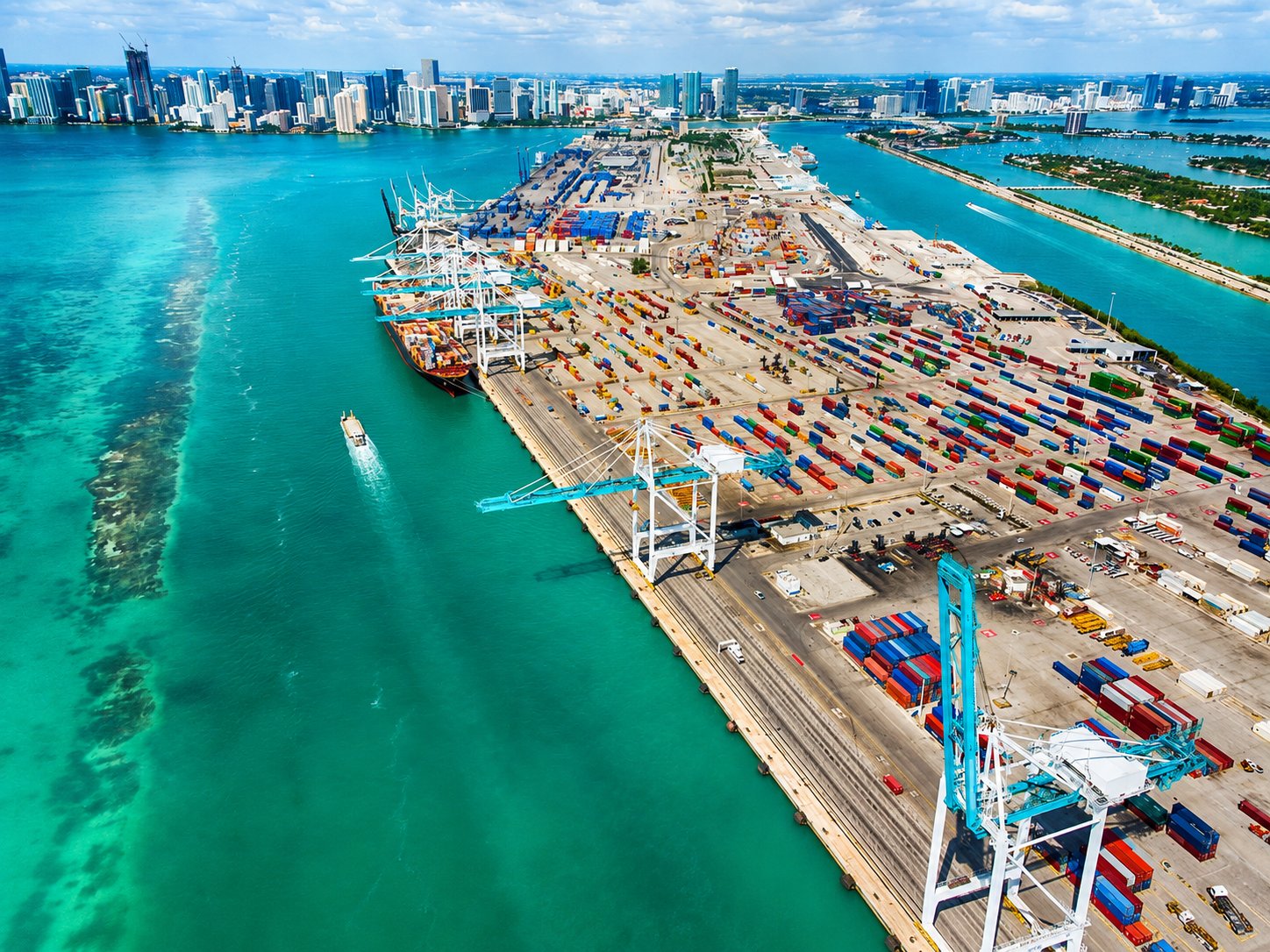
Freight services between Los Angeles and Florida
Booked, dispatched, and delivered by one team.

FTL
Full truckload dry van service between Southern California and every Texas metro, dispatched daily with real-time tracking. Two to three days to Dallas, Houston, San Antonio, and Austin, with team service available when next-day matters.
Learn More ➔
Refrigerated
Reefer capacity for produce, food, and pharma across the Gulf summer, with temperature documentation receivers actually ask for. Genset planning is part of hurricane-season dispatch, not an afterthought.
Learn More ➔
Transloading & Warehousing
Transload and warehousing at the San Pedro Bay complex: your import lands in Los Angeles, breaks down, and reloads for Texas the same week. Ocean containers become Texas truckloads without a day lost at the port.
Learn More ➔.svg)
Air Freight
TSA/IAC certified air cargo from LAX into MIA and MCO for the freight that cannot ride five days: launches, high-value goods, and storm-week recovery when the road is spoken for.
Learn More ➔The Los Angeles to Florida corridor
The routing is I-10 nearly coast to coast: out of the basin, across the Southwest and the Gulf states, to Jacksonville at mile 2,410 if the freight is going north Florida. Peninsula freight breaks south earlier, I-75 out of the Panhandle toward Tampa at 2,460 miles, or the Turnpike run to Orlando at 2,510 and Miami at 2,730. It is warm-weather trucking almost the whole way, which makes it one of the few transcontinental lanes without a winter problem, and gives it a summer one instead: Gulf hurricane season sits directly on the route, and a storm making landfall anywhere from Houston to the Panhandle can close the road or claim the trucks.
On the ground, Florida receives in three registers. The I-4 corridor from Tampa through Lakeland to Orlando is the fulfillment belt, big-box DCs with modern docks and normal appointment discipline. Jacksonville anchors the north with distribution feeding the whole Southeast. And South Florida is its own market: the Medley and Doral warehouse districts west of Miami run dense, fast, and bilingual, with dock space at a premium and receiving hours that reward drivers who know the buildings. The state's own seaports matter too, but mostly as Latin America gateways, which is exactly why Asia-origin freight rides in from the west.
Hurricane season deserves its own paragraph because it will take one whether offered or not. From June through November, a named storm reshapes the lane on 72 hours' notice: relief freight outbids everything, capacity evacuates the cone, reefer gensets disappear, and receivers board up. The playbook is preparation, not heroics: watch the forecast at booking, pre-position freight ahead of landfall windows, secure gensets before the rush, and make the honest call between shipping early and waiting out the week.
Miami · Orlando · Tampa · Jacksonville · Fort Lauderdale · Fort Myers
Importing to Texas through Los Angeles
Florida's shelves fill from Asia, and the freight mostly enters from the west. Consumer goods and e-commerce volume arrive from China, furniture and footwear from Vietnam, and food products and consumer goods from Thailand, and the fastest path to a Florida DC runs through Los Angeles and Long Beach, not around the continent. We handle the ocean leg, the port work, and the 2,700-mile linehaul as one file instead of four vendors.
The honest gateway math: Florida's own ports are superb at what they do, and what they do is Latin America. For Asia-origin freight, the all-water services around to the Gulf and South Atlantic run roughly twice the water time of the transpacific into San Pedro Bay. Two weeks on the water, two days of clearance and transload, and a four-to-five-day linehaul puts Asian goods on an I-4 corridor dock in about three weeks, while the all-water box is still at sea. That full program, ocean freight, customs coordination, drayage, transload, and final delivery under one contract, is our door-to-door service.

Los Angeles to Miami freight
Miami is the end of the road, literally: 2,730 miles from the LA basin, the longest core city pair on our network, and a market that behaves like a gateway even for domestic freight. The warehouse belt runs west of the city through Medley, Doral, and Hialeah, dense districts where dock space is scarce, receiving is fast and bilingual, and the buildings themselves reward drivers who have been there before. A meaningful share of what arrives keeps moving: South Florida consolidates freight for the Caribbean and Latin America, provisioning cruise operations and island supply chains, so a Los Angeles truckload often becomes an export shipment within the week.
The program runs five days solo and under three on team, with reefer service protecting produce and pharma through the Gulf summer and air freight into MIA backstopping the true emergencies. Hurricane weeks get the playbook: pre-positioning ahead of the landfall window, genset priority for cold freight, and straight answers about what the storm will and won't allow. Backhaul out of South Florida is thin and the rate reflects it honestly, because a quote that pretends otherwise is just a surprise with a delay.
Los Angeles to Jacksonville freight
Jacksonville is the first Florida market on the lane and the one built most like a freight town: 2,410 miles from the LA basin, about four days solo, sitting exactly where I-10 ends and I-95 begins. That junction makes it the distribution anchor of North Florida, with DC reach that spills into South Georgia, and the Westside industrial corridor along I-10 receives Los Angeles freight all week. The port adds its own texture: JAXPORT is one of the busiest vehicle-handling ports in the country, roll-on traffic and auto processing shape the Northside, and its container business keeps growing alongside it.
The program runs four days solo and a little over two on team service, a full day closer than South Florida with a friendlier backhaul picture, and both of those show up in the rate. For imports, the honest map has two gateways within reach: Savannah sits 140 miles up I-95 and pulls the region's all-water freight, while the western routing wins the speed cases, two weeks on the water to San Pedro Bay plus four days of road against five-plus weeks all-water. Hurricane season still applies, gentler here than on the peninsula's southern half, and when a storm closes markets further south, Jacksonville is often where southbound freight stages to wait it out.
Los Angeles to Florida freight: questions we get every day.
Transit times, rates, and what the lane actually requires.
FTL runs five days solo to Miami, about four to the I-4 corridor and Jacksonville, and under three anywhere in the state on team service. LTL runs seven to nine days depending on consolidation. Air freight into MIA or MCO covers the freight that cannot wait for the road.
Southbound into Florida is the paying direction, and backhaul thins out south of Orlando, which honest Florida pricing reflects instead of hiding. Rates move with fuel, season, and equipment, and hurricane season adds real volatility from June through November. Send the load specs and we return an all-in quote built on the lane's actual economics.
Because Florida's ports are Latin America specialists, and the Asia math favors the west. All-water services around to the Gulf and South Atlantic run roughly twice the transpacific's water time, while the San Pedro Bay routing puts Asia-origin goods on a Florida dock in about three weeks door to door. Latin America-origin freight is a different story, and for that, Florida's own gateways usually win.
The lane reprices and repositions within about 72 hours: relief loads outbid commercial freight, carriers evacuate the forecast cone, and receivers in the landfall zone stop taking appointments. Our playbook is to ship early when the window allows, pre-position what can wait out the storm inland, secure reefer gensets before the rush, and give you the honest call instead of a guarantee the weather won't honor.
Yes, and summer is exactly when the discipline matters: Gulf heat stresses equipment, and produce and pharma receivers want temperature documentation, not assurances. Reefer loads run with download-capable units, genset planning for any port or rail legs, and monitoring built into dispatch rather than bolted on.
We deliver into it every week. Medley, Doral, and Hialeah consolidators receiving freight for island supply chains and cruise provisioning are standard destinations on this lane, and we hit their windows and dock realities like locals. The ocean leg beyond South Florida is the consolidator's world, and we hand off clean so it stays that way.