.png)
Call Us 24/7/365
+1 (818) 600-0008Container drayage at LA/Long Beach, transloading into 53' domestic boxes, double-stack
rail nationwide, and a truck waiting at the destination ramp. One dispatch, both ends.
.jpg)
AEEM arranges door-to-door intermodal through the BNSF and Union Pacific networks that anchor the LA basin. The BNSF Hobart and UP East Los Angeles yards near downtown handle the majority of the region's intermodal cargo, and our drayage runs the short leg between your freight and those ramps, whether the box starts at a San Pedro Bay terminal or your own dock.
The intermodal math is simple: rail wins on distance. On lanes past roughly 700 miles, a container riding a double-stack train costs less to move than the same load on a truck, and a single double-stack train takes roughly 400 truck trips off the road. What breaks intermodal for most shippers is the seams, a ramp cutoff missed by an hour, a box sitting at destination with no truck assigned. We close those seams by running the drayage, the transload, and the rail booking under one dispatcher, so the schedule holds from your dock to the delivery door.
We price the full move, origin dray, rail linehaul, destination dray, and route it through the ramp and railroad that fit your lane. If truckload beats rail on your distance, we tell you and quote that instead.
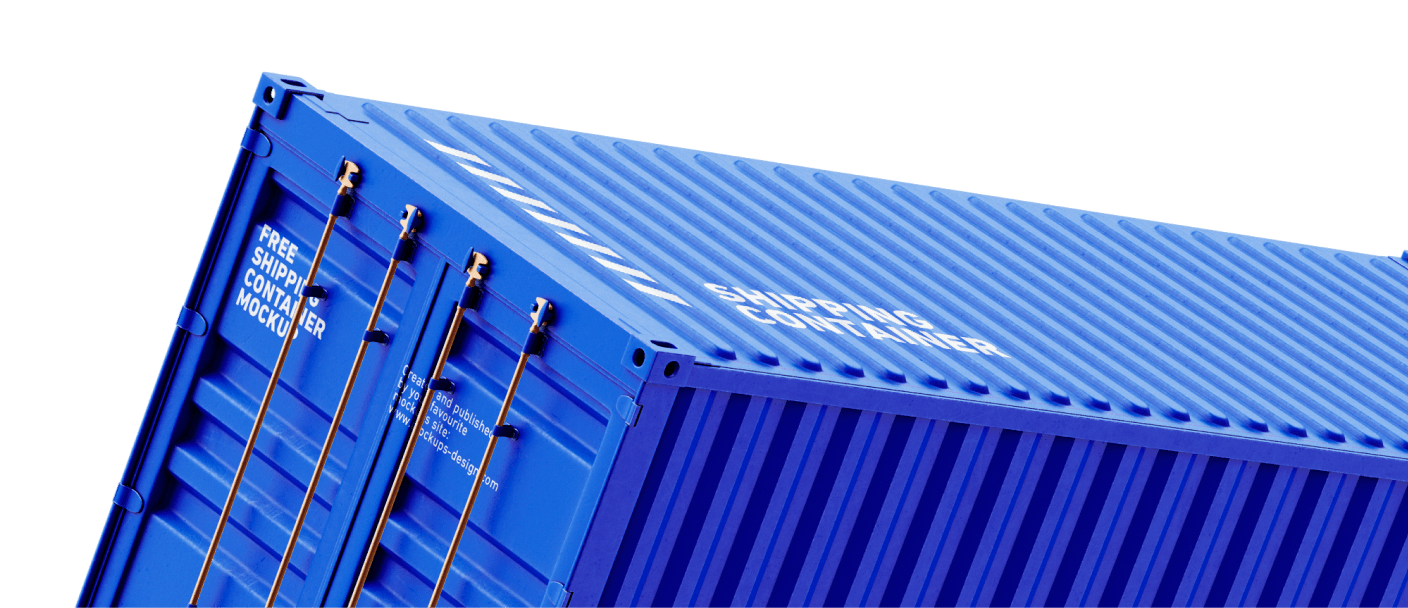
Your container moves from the terminal or your dock to the rail ramp before cutoff. Import freight heading deep inland can transload from 40' ocean boxes into 53' domestic containers first, cutting cost and returning equipment before per-diem starts.
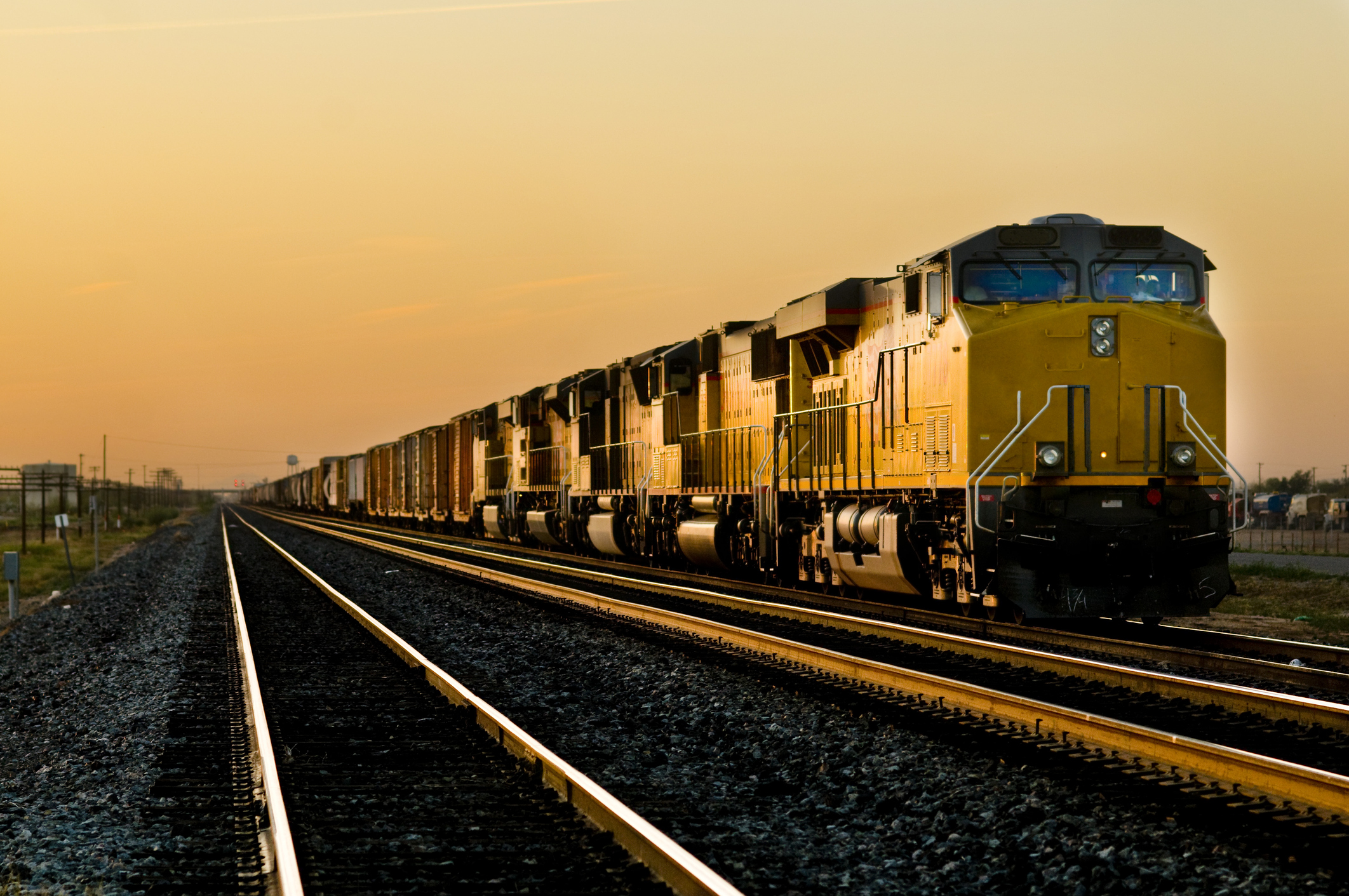
The container rides double-stack on BNSF or UP lanes with tracking against the railroad's schedule. We monitor the ETA the whole run so the destination side is booked before the train arrives, not after.
A dray carrier meets the box at the arrival ramp and delivers to the final door. Ramp free time is managed the same way we manage port demurrage: the pickup is scheduled off the ETA, not off a phone call after storage starts.
.svg)
Home base at the San Pedro Bay ports and the BNSF Hobart and UP East LA ramps, with rail lanes to Chicago, Dallas, Memphis, and every major inland hub.
.svg)
One dispatch owns the full move, origin dray, rail linehaul, destination dray. Day or night, you call one number, not three vendors.
.svg)
Every intermodal quote includes both drayage legs, fuel, and accessorials upfront. No hidden charges, no post-delivery surprises.
.svg)
Follow every container from ramp in-gate to destination out-gate with tracking against the railroad's schedule and ETA updates the whole run.
.svg)
Three 40' ocean containers into two 53' domestic boxes. We arrange the transload near the ports, cut your inland cost per unit, and return steamship equipment before per-diem builds.
.svg)
Destination pickup is scheduled off the train's ETA, not off a phone call after storage starts. Rail charges handled like port demurrage: before they exist.
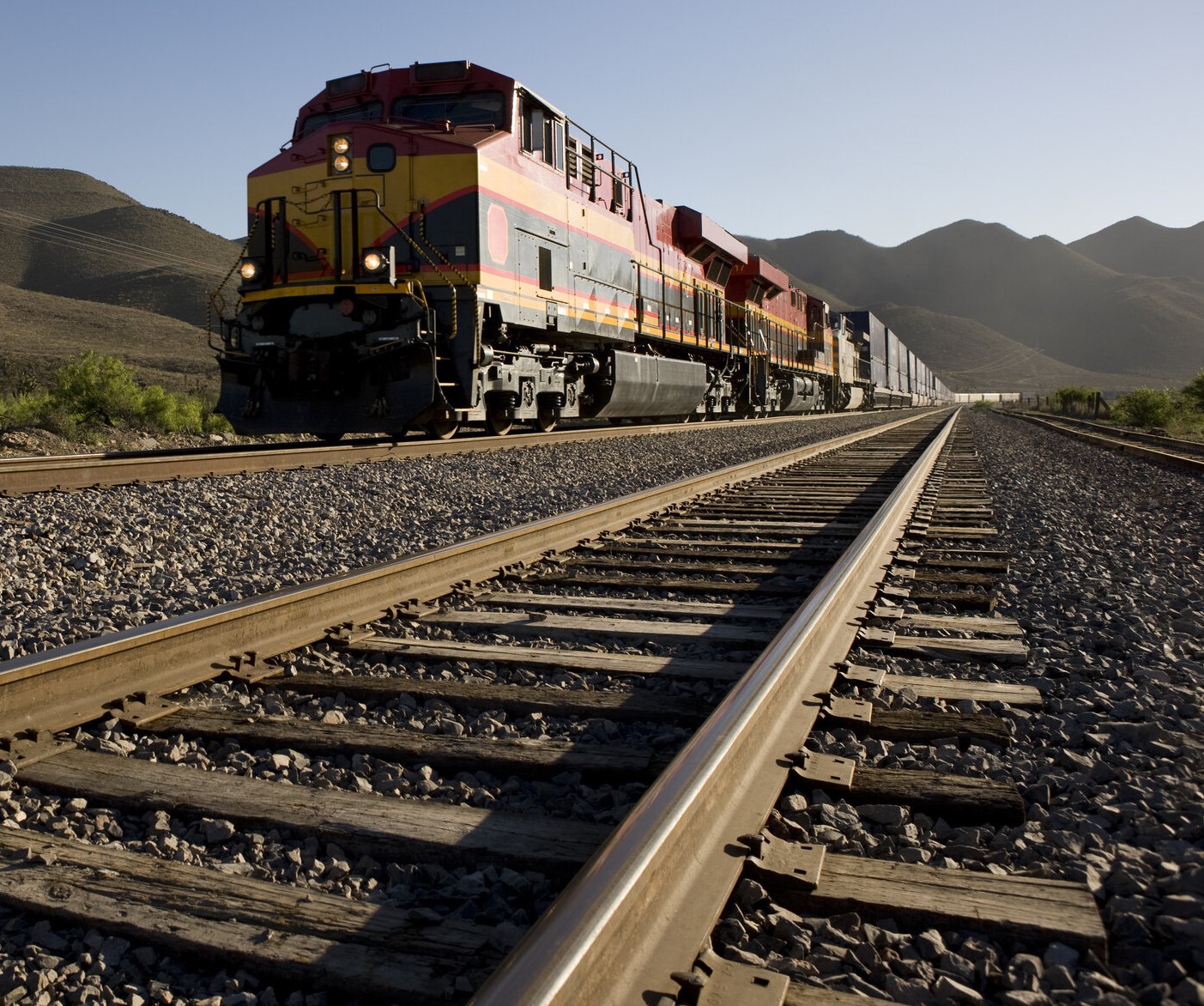
The LA gateway is built for rail. About 35% of intermodal containers at the Port of Los Angeles move on the port's rail network, across more than 65 miles of on-dock track feeding double-stack trains bound for markets nationwide. From that starting point, BNSF and UP lanes reach Chicago, Dallas, Memphis, Kansas City, Houston, Atlanta, and the rest of the national ramp map, with drayage partners at the far end to close the final mile.
Los Angeles · Chicago · Dallas · Memphis · Kansas City · Houston · Atlanta
Straight answers on rail, transloading, and when intermodal beats the highway.
Intermodal moves your freight in a container that transfers between modes, typically truck to rail to truck, without the cargo itself being rehandled. A dray carrier pulls the container to a rail ramp, the railroad runs the long haul on a double-stack train, and another dray carrier delivers it to the final door. You get long-haul economics with door-to-door service.
The general break-even is lane length. On hauls over roughly 700 miles with freight that can absorb an extra day or two of transit, intermodal is usually cheaper than truckload because rail fuel efficiency compounds with distance. Under that range, or when the delivery date is rigid, truckload wins. We quote both when a lane sits in the gray zone so you can see the actual spread.
Plan on roughly 5 to 7 days ramp to ramp depending on the service tier, plus drayage on each end. Expedited intermodal services run faster, economy tiers run slower. We confirm the schedule for your specific lane and service level at booking rather than quoting a blanket number.
Transloading moves cargo from 40-foot ocean containers into 53-foot domestic containers or trailers near the port. Three 40-foot boxes typically consolidate into two 53-footers, which cuts your inland cost per unit and returns the ocean containers to the steamship line before per-diem charges build. It makes sense for import volume heading deep inland. Freight staying in Southern California usually skips it.
The main intermodal gateways for the LA basin are the BNSF Hobart yard and the Union Pacific East Los Angeles yard near downtown, plus the near-dock ICTF and on-dock rail at the San Pedro Bay terminals for international boxes. We route your freight through the ramp that fits the destination lane and the railroad serving it.
Yes. Origin drayage from the port or your dock to the rail ramp, and destination drayage from the arrival ramp to the final door, are coordinated under the same dispatch that books the rail linehaul. One contact owns the move end to end, so there is no gap between the railroad's ETA and the truck that meets it.