.png)
Call Us 24/7/365
+1 (818) 600-0008Genset-powered drayage, cold storage near the terminals, customs clearance coordinated
before arrival, and monitored delivery nationwide for food, medical, and chemical imports.
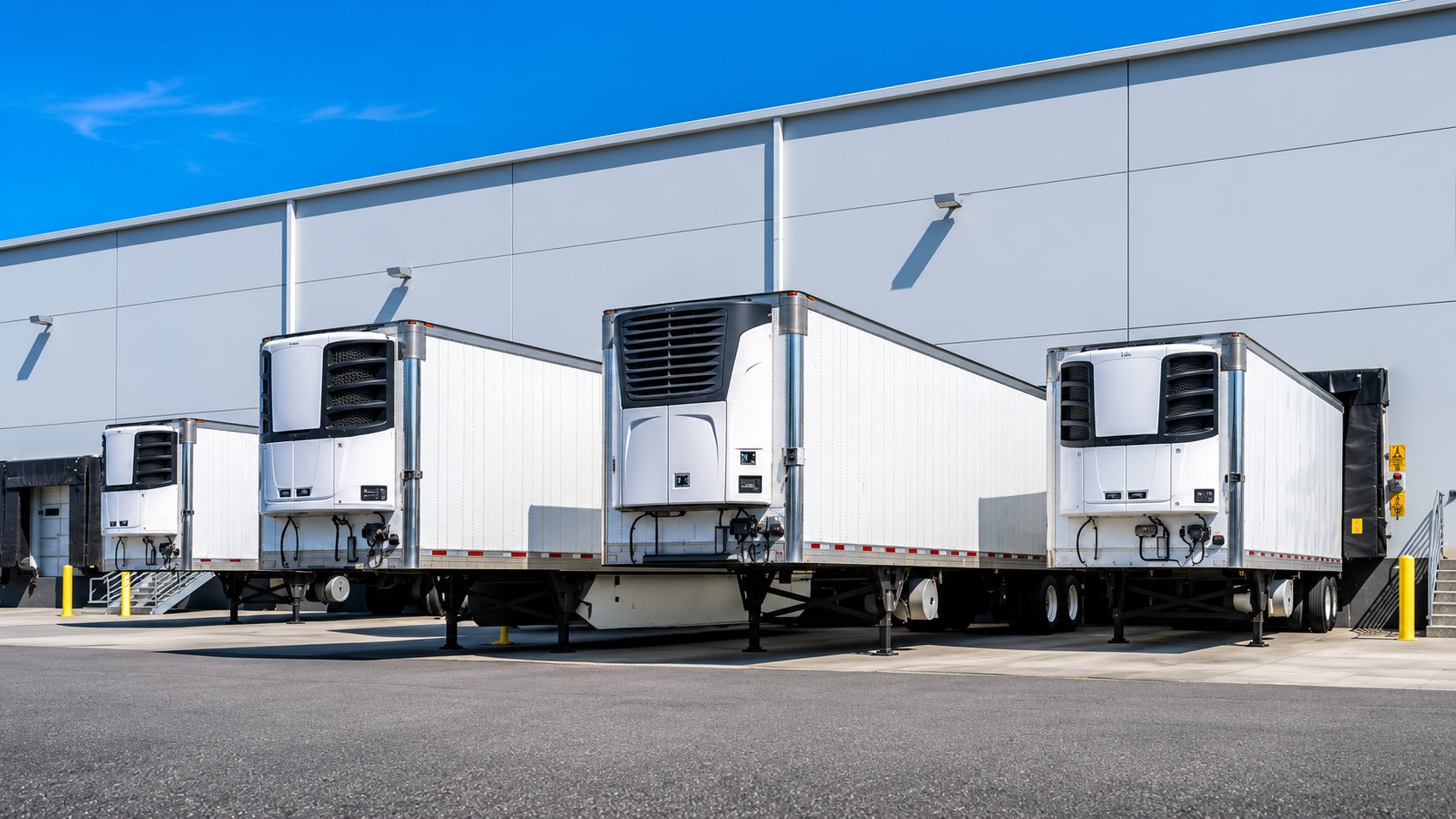
For a food importer, the cold chain is the product. One unplugged container, one dray leg without genset power, and three weeks of ocean transit becomes a rejected load. AEEM runs the import as one plan: reefer ocean freight into the Port of Los Angeles and Port of Long Beach, genset drayage off the terminal, cold storage staging, monitored delivery.
An FMCSA-licensed forwarder built around food: frozen seafood, produce, proteins, packaged goods, moved with the temperature records safety teams demand and customs clearance coordinated before the vessel arrives. The same chain carries pharmaceutical imports and temperature-controlled chemicals, hazmat loads through certified carriers. Empty container, and our refrigerated trucking network takes it anywhere in the lower 48.

We confirm setpoint, commodity requirements, and the import documentation your shipment needs before anything is booked, with the customs entry planned alongside the freight.
Reefer ocean booking, terminal reefer handling, and genset-powered drayage are locked before arrival, so the container never sits without power waiting on a plan.
Cold storage and temperature-controlled transload near the ports are coordinated when the freight needs to break into domestic moves, with the chain documented at every handoff.
Freight delivers on monitored reefer equipment with temperature records and electronic proof of delivery for your quality and compliance files.
A Los Angeles based forwarding team built for food importers, with the same chain discipline carrying medical and chemical freight.
.svg)
Seafood, produce, proteins, and packaged foods are the core of our cold chain book. We plan around receiver appointments, shelf life, and the documentation your food safety team expects.
.svg)
Temperature records, seal verification, and custody documentation from terminal gate to final delivery, ready for your quality and compliance teams.
.svg)
Temperature-controlled staging and transload coordinated minutes from the terminals, so product breaks into domestic moves without breaking the chain.
.svg)
Reefer containers burn free time faster than dry boxes. We plan pickups against terminal free time so temperature-sensitive freight doesn't sit accruing fees.
.svg)
Reefer containers only hold temperature while powered. We schedule genset drayage and terminal handling before the vessel arrives, not after the clock starts.
.svg)
Pharmaceutical imports with full temperature history and temperature-controlled chemicals on the right equipment.

AEEM Shipping is an FMCSA-licensed freight broker and forwarder headquartered in Los Angeles County (MC# 1672315, DOT# 4295954, FF# 65907). We run daily out of the Los Angeles and Long Beach terminals with genset drayage and partner cold storage minutes from the gates. When your reefer containers land at another gateway, the same coordinator, monitoring, and documentation cover it.
Straight answers on importing food through Los Angeles, reefer containers, genset drayage, and cold storage.
Yes, food imports are the core of our cold chain service. Frozen, chilled, and shelf-stable food moves through the LA and Long Beach ports with temperature documentation at every handoff, and customs entry is coordinated before arrival. Import filings tied to food safety regulations remain the importer's obligation, and we support the process with the records your filings depend on.
At the terminal, reefer containers run on terminal plug power in dedicated racks. Off the terminal, the container needs a genset, a diesel generator mounted to the chassis, to keep the unit running during drayage. We schedule genset-equipped drayage before arrival so the container is never moved dark.
Yes. We coordinate temperature-controlled storage and transload through partner facilities near the Los Angeles and Long Beach terminals, so imported product can stage, break into domestic loads, or hold for distribution without leaving temperature control.
Cold chain logistics is the managed movement of temperature-sensitive goods through every stage of transit without a break in temperature control: refrigerated ocean or air transport, powered container handling at the port, temperature-controlled storage and transload, and monitored final delivery, with documentation proving the chain held at each handoff.
Yes. Pharmaceutical and medical shipments run through the same chain with temperature records at every handoff, and chemicals requiring temperature control move on the right equipment, with any hazmat-classified product coordinated through certified carriers holding the endorsements the commodity class requires.
Terminals have limited powered reefer racks, so reefer free time is typically shorter than dry container free time, and daily charges run higher. The fix is planning: the customs entry started before arrival and genset drayage booked against the vessel schedule, so the container comes off power racks inside free time instead of paying to sit.