.png)
Call Us 24/7/365
+1 (818) 600-0008Housewares, furniture, toys, and apparel from overseas factories to American shelves.
Landed on calendar, at a freight cost your margin can carry.
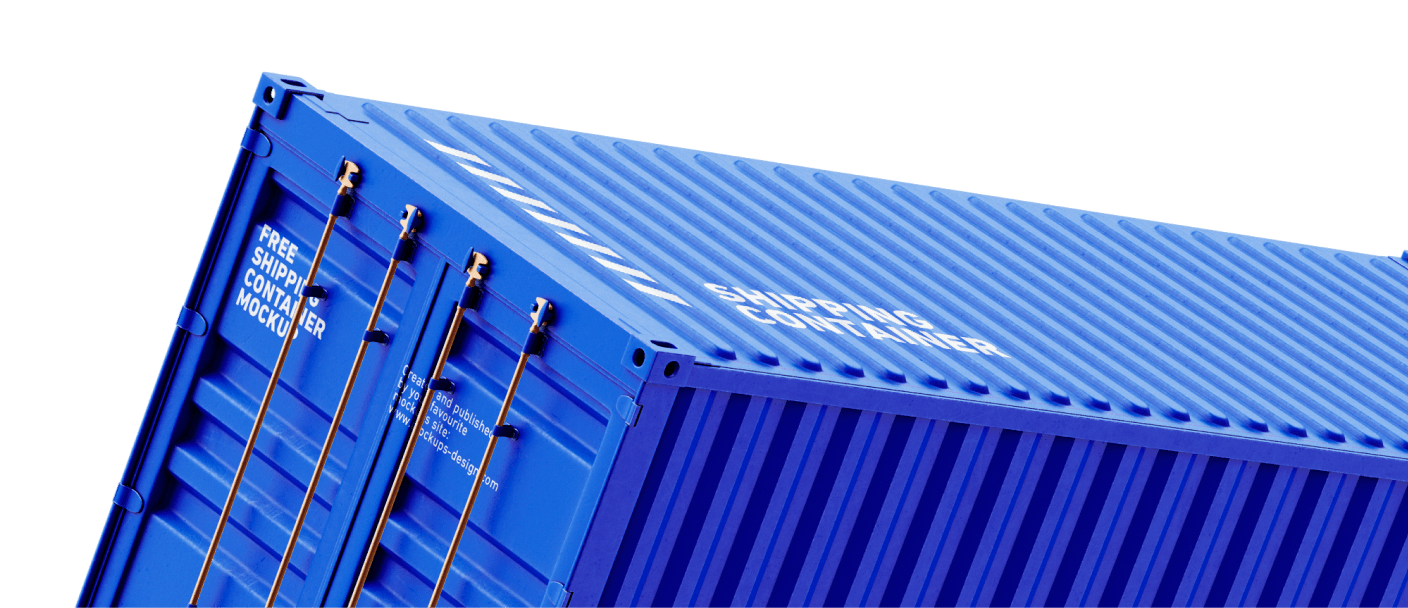
Consumer goods live and die by the calendar. Spring lines, back-to-school, holiday sets, all of it sells in a window, and inventory that misses the window sells at markdown or not at all. Meanwhile the freight bill comes straight out of landed cost on products where margin is already thin, so every wasted container, every half-empty trailer, and every storage month you didn't need is money the product has to earn back.
AEEM runs consumer goods for the calendar and the margin. Ocean freight from Asian origins with FCL for volume and consolidated LCL when the order doesn't fill a box, drayage off the Los Angeles and Long Beach ports, warehousing that stages seasonal inventory and releases it on the buy plan, and LTL and truckload distribution into retail and e-commerce channels nationwide.
Of US inbound containers enter through LA and Long Beach, and we move consumer goods from vessel to drayage to your warehouse under one coordinator.
Full containers for volume programs and consolidated LCL for smaller buys, so the freight matches the order instead of the order stretching to fill a container.
Consumer product freight is a calendar-driven relay. Goods ship from the factory against a season, clear the port, stage in a warehouse, and distribute into retail and e-commerce channels. Pick a service below to see how we run each leg for brands and importers.
FCL and consolidated LCL from Asian origins, booked against your seasonal calendar and delivered port-to-door with entry coordinated before arrival.
.svg)
Product containers pulled from the Ports of LA and Long Beach and delivered to your warehouse or 3PL with live tracking on every box.
.svg)
Storage and cross-docking that holds seasonal inventory near the ports and releases it on the buy plan, so product hits the window without a year of storage.

LTL for retail orders and replenishment that don't fill a trailer, scheduled into delivery appointments with the paperwork receivers require.
.svg)
Dry van capacity for container transloads and bulk distribution across all 48 states, scheduled into DC dock windows.

Air cargo for the reorder that's selling out and the launch that can't miss its date, when the ocean schedule says next season.
.svg)
A Los Angeles based team that plans freight around sell-by seasons and thin margins.
Seasonal goods have one selling window, and freight that misses it turns full-price product into markdown stock. Import bookings run backward from your in-store or in-stock date, with vessel cutoffs, port time, and distribution legs planned as one calendar, so the season starts with the shelves full.
On thin-margin product, freight waste is invisible until the landed cost math runs. We match the mode to the order, consolidated LCL when the buy doesn't fill a box, transloads that turn three part-loads into one trailer, and warehousing billed for the weeks you need instead of the year you don't.
Retail packaging is the product's first impression, and crushed cartons get refused or discounted at the dock. Stacking limits, load patterns, and handling requirements are written into the rate confirmation, so what arrives at the DC is sellable product, not a damage claim.
Straight answers on seasonal timing, LCL versus FCL, apparel freight, and distribution into retail channels.
Yes, backward from the date that matters. In-store and in-stock dates set the plan, then vessel cutoffs, port time, and distribution legs get scheduled against it, with the calendar tracked in transit so a slip upstream gets flagged before it becomes a missed season.
When the order doesn't fill the box. Consolidated LCL lets smaller buys move at a per-cubic-meter cost instead of paying for empty container space, and we quote both when a shipment sits near the line so the landed cost math decides, not habit.
Yes. Apparel moves in cartons and on hangers depending on the program, with handling and stacking requirements specified to carriers, seasonal timing planned against drops and floor sets, and distribution into both retail DCs and e-commerce fulfillment.
Yes, from the same inventory. Product stages in coordinated warehousing near the ports and splits into scheduled retail deliveries and fulfillment center replenishment on one plan, so both channels pull from one pool instead of two supply chains.
By matching the freight to the order. LCL consolidation for small buys, transloads that combine part-loads, warehousing billed to actual weeks, and steady-lane scheduling instead of spot-quoting every shipment. Landed cost is a design problem before it's a negotiation.
Yes, that's the core lane. Containers clear the LA and Long Beach ports with entry coordinated before arrival, product stages or transloads nearby, and LTL and truckload distribution covers all 48 states.