.png)
Call Us 24/7/365
+1 (818) 600-0008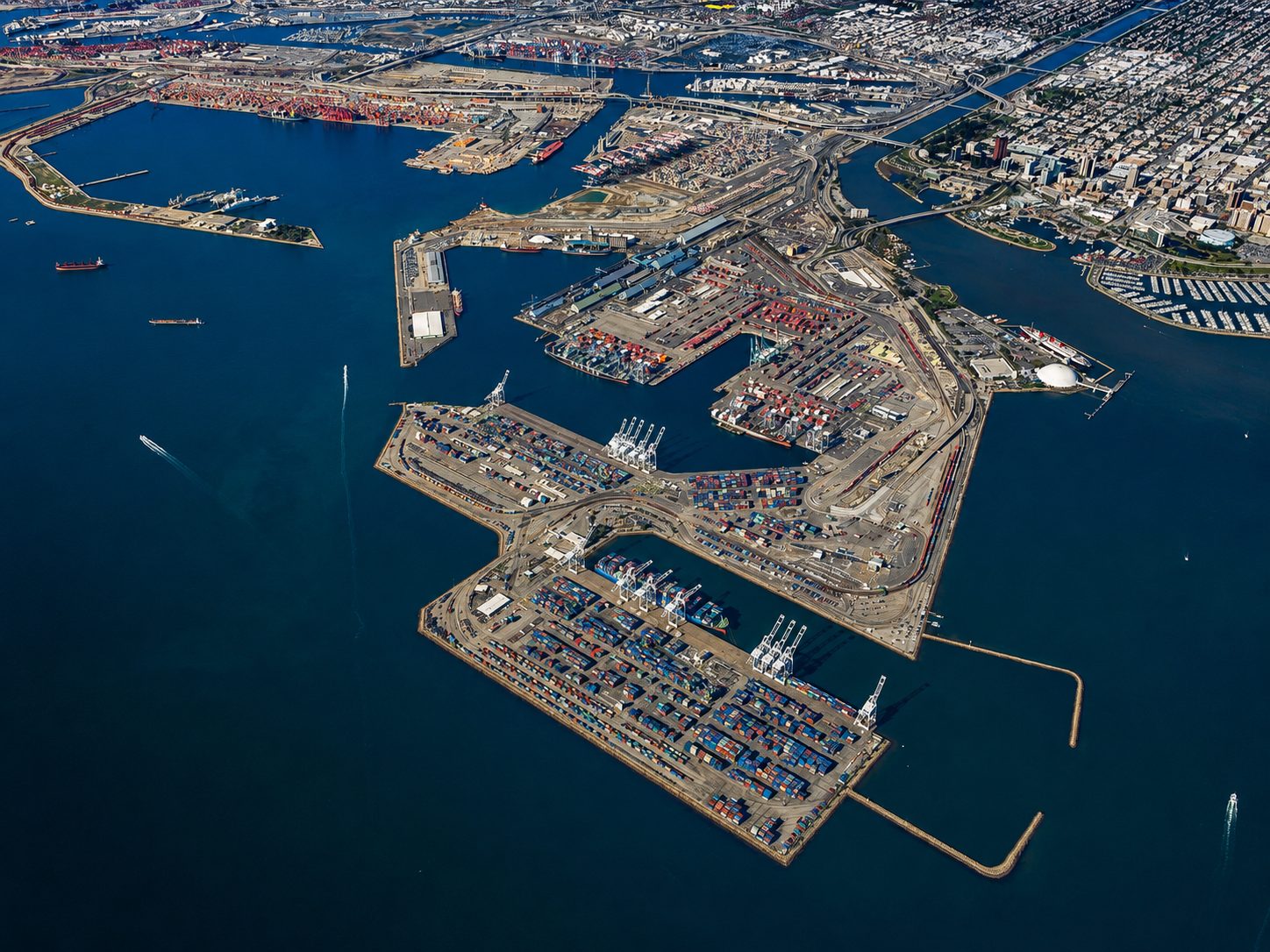
Demurrage is the charge for a loaded container sitting inside the terminal past its free time. Free time at the port typically runs four to five business days after discharge, and the exact allowance lives in your carrier contract, so check yours rather than assuming. Once the last free day passes, the meter runs daily and escalates in tiers, with structures along the lines of $100 per day for the first few days, rising to $250 and then $350 or more as the container ages. The clock does not care why the box is still there. Chassis shortages, customs exam holds, and scarce terminal appointments all burn free days just the same.
Per diem is the ocean carrier's charge for keeping their container outside the terminal past the allowed free days, usually three to five days after pickup. It runs daily until the empty is returned. Here is where the vocabulary gets messy: carriers often call this same charge "detention," and the two terms are used interchangeably for equipment kept past free time. Whatever the invoice calls it, the mechanics are identical. You pulled the box out of the gate, the carrier wants it back, and every day it sits at your warehouse costs you. The San Pedro Bay trap is empty return restrictions. When the carrier's designated return terminal is not accepting empties, the days keep accruing while you have nowhere to return the container. Document those closed return windows, because that is the core of a winnable dispute.
The third fee has nothing to do with the port or the carrier. Driver detention is billed by the trucking company when your facility holds their driver too long at the dock. The industry standard is two hours of free time from check-in, after which the meter runs hourly, typically in the range of $50 to $100 per hour. Drayage carriers can also charge detention for time spent waiting at the port itself during heavy congestion. If your receiving team takes four hours to strip a container, that invoice is coming from your trucker, not from Maersk or the terminal, and no amount of arguing with the steamship line will make it go away.
The terminal bills demurrage. The ocean carrier bills per diem. The trucking company bills driver detention. All three usually flow through your drayage provider or forwarder before landing on your statement, which is why importers see them as one blob. Untangling them matters because each dispute goes to a different counterparty with different evidence: appointment histories to the terminal, empty return screenshots to the carrier, gate-in and gate-out timestamps to the trucker.
The Federal Maritime Commission's demurrage and detention billing rule took effect May 28, 2024, and it gave importers real leverage. Invoices must be issued within 30 days of the last charge, you get at least 30 days to dispute, and the biller must attempt to resolve the dispute within 30 days, the 30/30/30 framework. An invoice missing the required minimum data elements eliminates your obligation to pay it. One 2025 development worth knowing: a federal appeals court struck down the rule's restriction on which parties can be billed, and that section was removed from the regulations in late 2025, but the invoice content requirements and the 30-day dispute timelines all remain in force. Note the rule covers demurrage and carrier per diem. Driver detention is a trucking accessorial and sits outside it entirely, governed only by your rate agreement.
Pre-clear customs before vessel arrival so the container is releasable at discharge. Book terminal appointments the moment free time opens, not when it is about to lapse. Track the last free day per container, not per shipment. Return empties fast and screenshot every closed return window. And on your own dock, turn containers in under two hours, because driver detention is the one fee entirely inside your control.
Demurrage is the terminal charging you for a container inside the gate. Per diem is the carrier charging you for a container outside it. Driver detention is the trucker charging you for their driver standing still. Three fees, three clocks, all three avoidable with pre-clearance, early appointments, fast empty returns, and a drayage partner watching the calendar. That is the daily work we do out of the San Pedro Bay complex.