.png)
Freight Shipping Between
Los Angeles and West Virginia
FTL, Flatbed & Hazmat Freight
Four to five days into the mountains, with hazmat-certified capacity for the
Chemical Valley and grade-respecting delivery discipline the terrain insists on.
Los Angeles to West Virginia freight, handled end to end
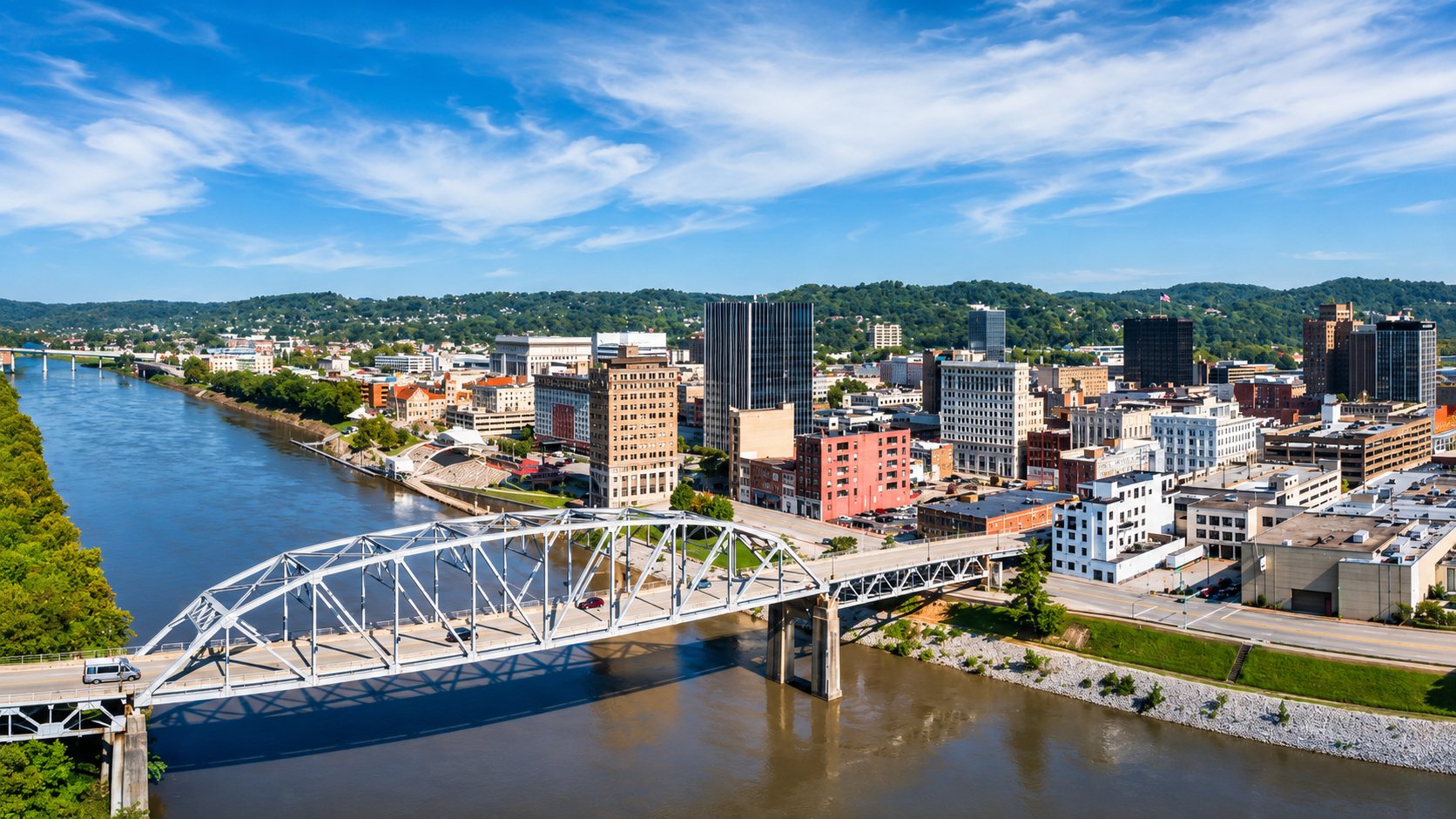
West Virginia freight is industrial and vertical: the Kanawha Valley's chemical corridor has received placarded freight for a century, the energy economy moves equipment for gas and mining, metals and fabrication work the Ohio River's edge, and the eastern panhandle runs a growing DC base inside the Washington orbit. The structural truth is Appalachian: inbound outweighs outbound, and the mountains grade every mile.
AEEM Shipping runs it straight: FTL in four to five days, flatbed for the equipment, hazmat-certified capacity for the placarded loads, hub-consolidated partials through the Columbus and Pittsburgh orbits managed as one file, and winter carried as margin, not surprise. One team, one tracking thread, 24/7 dispatch.
Freight services between Los Angeles and West Virginia
Booked, dispatched, and delivered by one team.

Full Truckload
Full truckload service between Southern California and every West Virginia market, dispatched with real-time tracking and mountain routing that respects the grades.
Learn More ➔
Flatbed & Step-Deck
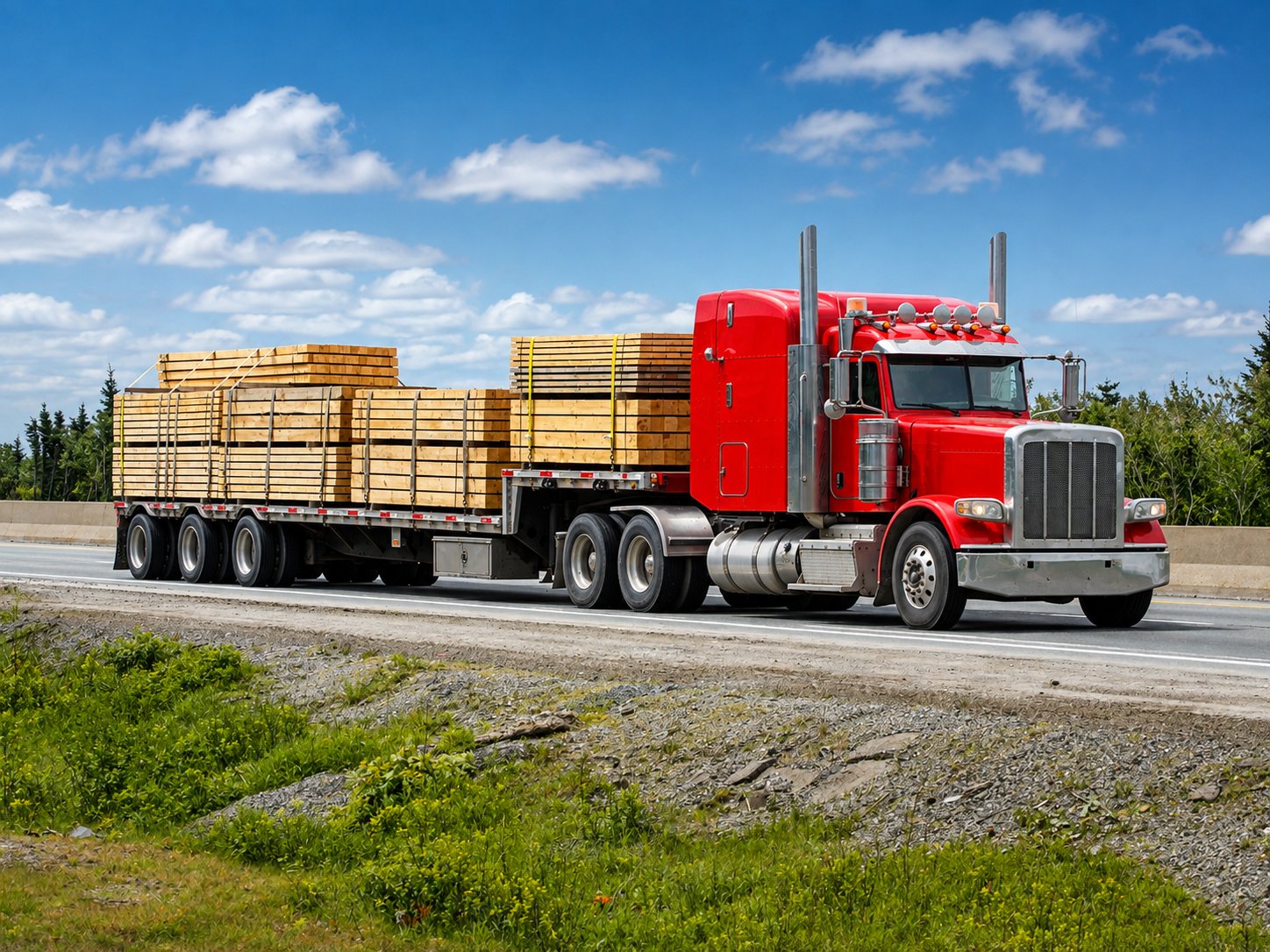
Flatbed and step-deck for the energy, mining, and metals freight that works the mountains, tarped and secured for terrain that means it.
Learn More ➔.svg)
Transloading & Warehousing
Transload and warehousing at the San Pedro Bay complex: imported equipment lands in Los Angeles and reloads for West Virginia the same week.
Learn More ➔
Hazmat
Placarded freight run by certified drivers with the paperwork in order, because the Chemical Valley's daily business has been chemistry for a hundred years.
Learn More ➔The West Virginia lane and the imports that ride it

The approaches run I-70 into the northern panhandle, I-77 and I-64 into Charleston at 2,420 miles, and I-81 up the eastern panhandle, all of them finishing on grades that demand engine brakes and respect, with winter ice the recurring co-author. Delivery follows the valleys: Chemical Valley plant gates on badging and hazmat protocols, Ohio River metals docks, energy-country drops on lease roads, and the eastern panhandle's DC belt inside the Washington orbit.
The import story is equipment: German-built machinery and Chinese-made goods landing at San Pedro Bay and riding east as West Virginia truckloads on one file, no gateway debate in the mountains, only execution, grades, and weather.
Charleston · Huntington · Morgantown · Wheeling · Parkersburg · Martinsburg
Los Angeles to West Virginia freight: questions we get every day.
Transit times, rates, and what the lane actually requires.
FTL runs four to five days, Charleston at 2,420 miles via I-64, with the eastern panhandle reached off I-81 and the northern panhandle off I-70. Winter in the mountains widens the window and commitments carry that margin.
Honestly: inbound outweighs outbound, so the delivering rate carries most round trips, with chemical and metals outbound the working exceptions. Mountain grades and winter add real operating cost. Send the load specs and we return a number built on the lane's actual economics.
Truckloads run direct on the I-70, I-77, and I-64 approaches. Partial loads consolidate through the Columbus and Pittsburgh orbits and finish on regional equipment, and we run that relay as one file with one tracking thread, because pretending a direct milk run exists helps nobody.
Yes, on the corridor's terms: badging, gate protocols, staging, and placarded loads run by hazmat-certified drivers with the paperwork in order. The Kanawha Valley's plants have received chemistry for a century, and they expect carriers who arrive already knowing the rules.