.png)
Freight Shipping Between
Los Angeles and Virginia
FTL, Drayage & Data-Center Freight
Four to five days to the state that hosts the internet and one of the East's great harbors,
with drayage worked at both ends and delivery discipline built for secure docks.
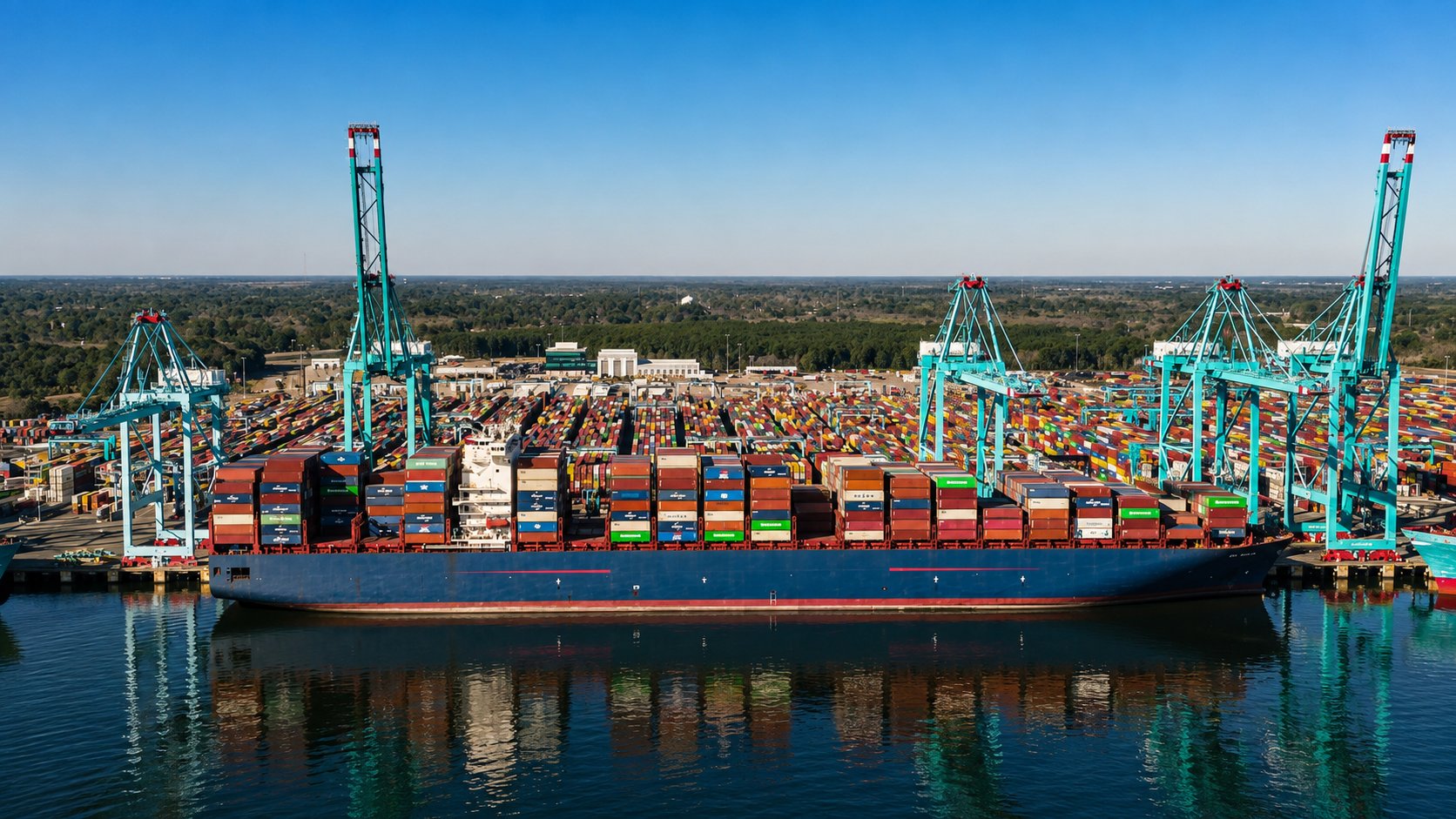
Los Angeles to Virginia freight, handled end to end
Virginia runs three freight economies of national weight: the Northern Virginia data-center corridor, the densest concentration of its kind in the world, receiving racks, network gear, and power equipment against security-listed docks; Hampton Roads, where the Port of Virginia's deep harbor and the shipbuilding economy keep serious tonnage moving; and the Richmond-anchored I-95 and I-85 distribution belt that restocks the mid-Atlantic.
AEEM Shipping works both ends: FTL in four to five days, team service in under three, drayage on our own network at San Pedro Bay and through established partner capacity at the Port of Virginia, and transload wherever the box lands, with secure-site delivery protocols treated as standard on the corridor that demands them. One team, one tracking thread, 24/7 dispatch.
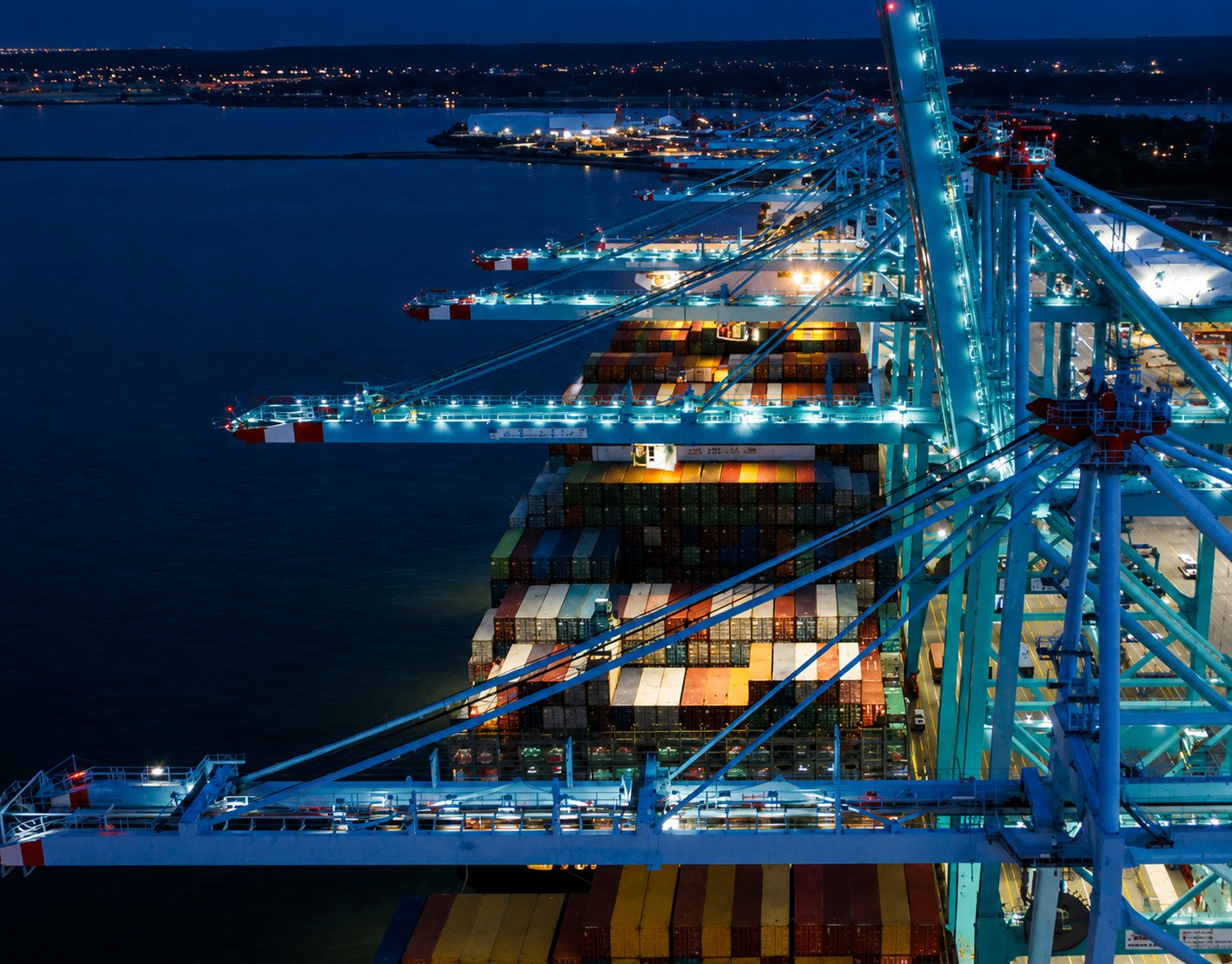
Freight services between Los Angeles and Virginia
Port to door and everything between, dispatched from Los Angeles.

Full Truckload
Full truckload service between Southern California and every Virginia market, dispatched daily with real-time tracking. Four to five days to Richmond, NoVA, and Hampton Roads.
Learn More ➔.svg)
Container Drayage
Drayage at both ends: our own network at every San Pedro Bay terminal, and established partner capacity at the Port of Virginia pulling boxes to Hampton Roads and corridor docks.
Learn More ➔.svg)
Transloading & Warehousing
Transload and warehousing at the San Pedro Bay complex: your import lands in Los Angeles, breaks down, and crosses to Virginia weeks ahead of all-water.
Learn More ➔
Team-Expedited
Driver teams crossing in under three days for deployment dates, secure-site windows, and the freight where the calendar is the contract.
Learn More ➔The Virginia lane and the imports that ride it

The routing runs I-40 east and finishes on I-81 down the Valley or I-64 into Richmond at 2,680 miles, with Northern Virginia off the top of the corridor and Hampton Roads at the harbor end, Appalachian ridge winter the recurring note. Delivery splits by economy: security-listed data-center campuses in Loudoun and Prince William, the Richmond and I-95 distribution belt on appointment discipline, shipyard and harbor-area gates in Hampton Roads, and the Valley's manufacturing corridor down I-81.
The import bill is infrastructure-heavy: servers, network equipment, and power gear from Asia's electronics belt, consumer volume from China, and machinery from Germany, riding the Pacific when speed decides and the Port of Virginia when steadiness does. We quote both coasts honestly per shipment and run the winner on one file.
Northern Virginia / Loudoun · Richmond · Hampton Roads / Norfolk · Roanoke · Charlottesville · Fredericksburg
Los Angeles to Virginia freight: questions we get every day.
Transit times, rates, and what the lane actually requires.
FTL runs four to five days, Richmond at 2,680 miles with Northern Virginia and Hampton Roads in the same window off their own finishes. Team service crosses in under three for the freight racing a date.
Eastbound carries the headhaul, and Virginia's distribution and export economy keeps return legs alive better than most of the seaboard. Rates move with fuel, season, and equipment, and data-center and secure freight prices the handling it requires. Send the load specs and we return a real all-in quote.
Often you shouldn't, and we say so: the Port of Virginia is one of the East Coast's best harbors and steady all-water programs belong there. Los Angeles wins the speed cases, roughly two weeks faster door to door for Asia-origin freight, the split-inventory programs, and the multi-state files that want one operator. Virginia is bicoastal freight country, and we work it from both ends.
Yes, at both ends of the map: our own drayage network runs every San Pedro Bay terminal, and established partner capacity runs the Port of Virginia, pulling boxes to Hampton Roads, Richmond, and corridor docks. One file, one tracking thread, whichever coast your container lands on.
Yes, on the corridor's terms: scheduled dock windows, site security lists cleared in advance, documented chain of custody, and drivers briefed that the address is a campus, not a warehouse. Racks, network gear, and power equipment ride with the handling their value demands, and generators and switchgear move on flatbed and specialized equipment when the load outgrows the van.
They are the region's routing reality: the harbor crossings restrict certain hazmat classes and complicate oversize moves, and wind events can hold high-profile loads at the spans. We route per load against the restrictions, schedule around the constraints instead of discovering them, and keep receivers told the truth about timing.