.png)
Freight Shipping Between
Los Angeles and Texas
FTL, Flatbed & Port-to-Door Freight
FTL, flatbed, and LTL between Southern California and every Texas market, plus port transload
from San Pedro Bay to your Texas dock. Headhaul capacity both directions, dispatched 24/7.

Los Angeles to Texas freight, handled end to end
Los Angeles to Texas is the workhorse lane of the southern transcon: 1,435 miles to Dallas, 1,550 to Houston, and enough freight moving both directions that trucks rarely run home empty. Eastbound trailers carry consumer goods, machinery, and import volume off the San Pedro Bay docks. Westbound, Texas sends back steel, packaged food, and manufactured goods, which is what keeps roundtrip pricing on this lane honest. The equipment mix follows the economy: dry van carries the retail and e-commerce volume into the Triangle, while the Permian Basin and the Gulf Coast petrochemical corridor keep flatbed and step-deck capacity working year round.
AEEM Shipping runs the lane from both ends. FTL and flatbed dispatch daily from Los Angeles, LTL consolidation covers partial loads, and when your freight starts as an import, we transload at the San Pedro Bay complex and reload it as Texas truckloads the same week. I-10 is an all-weather corridor, but Gulf hurricane season can vacuum regional capacity on short notice from June through November, so we plan peak-season Texas freight with that priced in. One team, one tracking thread, 24/7 dispatch.
Freight services between Los Angeles and Texas
Booked, dispatched, and delivered by one team.

FTL
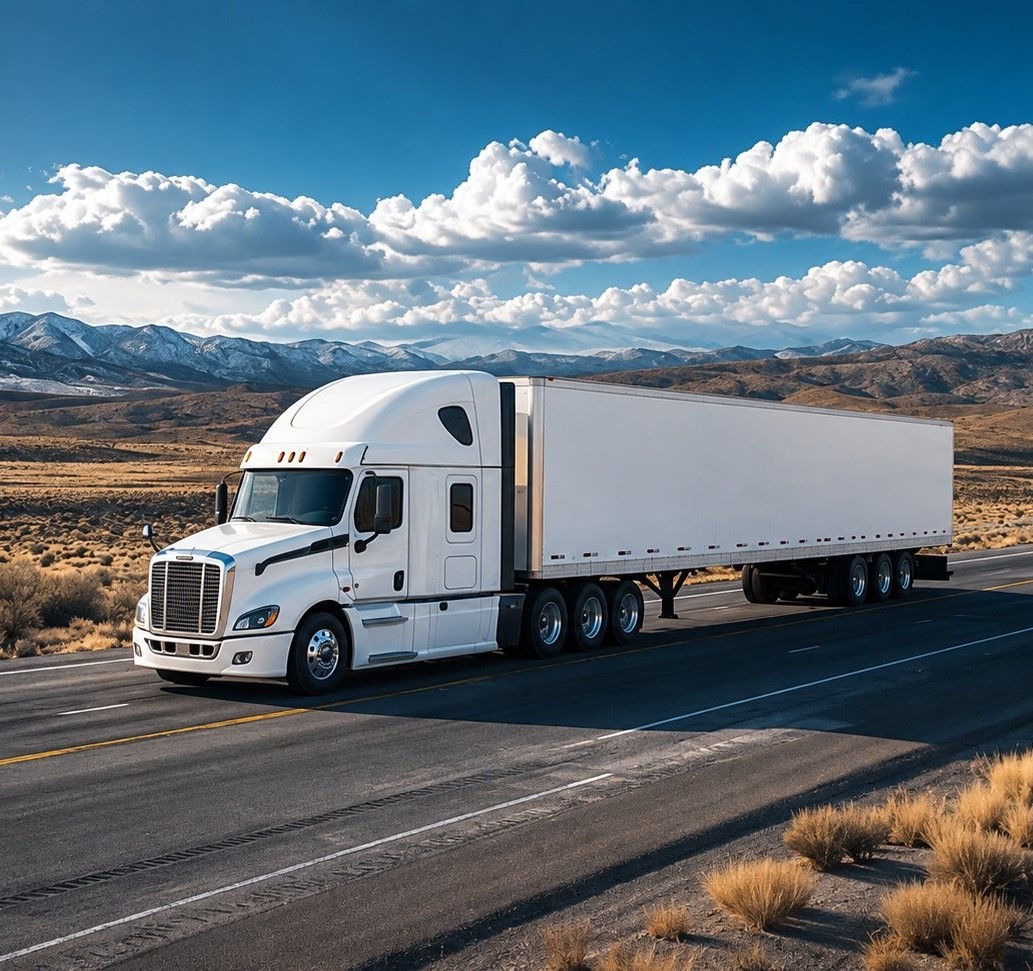
Full truckload dry van service between Southern California and every Texas metro, dispatched daily with real-time tracking. Two to three days to Dallas, Houston, San Antonio, and Austin, with team service available when next-day matters.
Learn More ➔
Flatbed & Step-Deck
Flatbed and step-deck capacity for steel, machinery, and energy equipment, tarped and secured to spec. Oilfield moves into the Permian and project freight along the Gulf petrochemical corridor are standing work on this lane.
Learn More ➔
Transloading & Warehousing
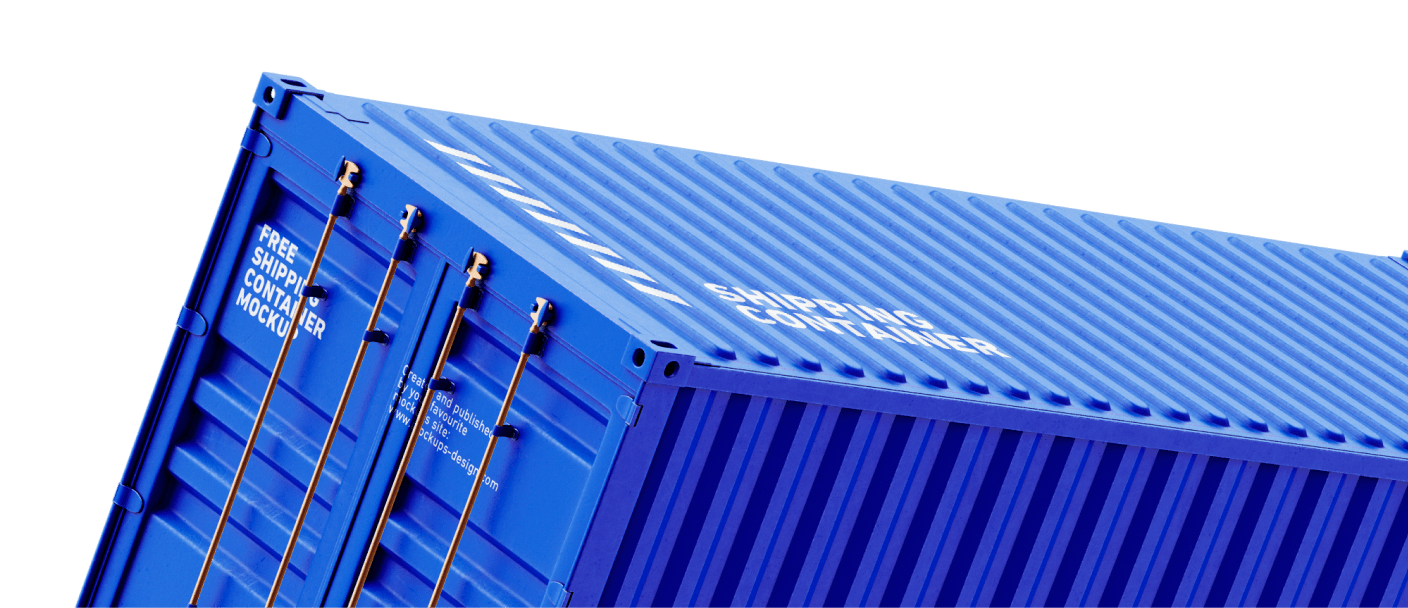
Transload and warehousing at the San Pedro Bay complex: your import lands in Los Angeles, breaks down, and reloads for Texas the same week. Ocean containers become Texas truckloads without a day lost at the port.
Learn More ➔.svg)
LTL
Less-than-truckload service for partial loads, consolidated in Los Angeles and delivered across Texas in four to six days. The Triangle's freight density means daily departures and honest transit windows, not once-a-week milk runs.
Learn More ➔The Los Angeles to Texas corridor
The lane runs I-10 out of the basin, across Arizona and New Mexico, and splits at the Texas line: I-10 continues to San Antonio and Houston, while I-20 breaks northeast at Van Horn for Dallas-Fort Worth. An alternate routing rides I-40 to Amarillo and drops down US-287, useful when West Texas wind or construction slows the southern route. It is all-weather trucking almost year round. The exceptions are Gulf hurricane season, which can pull capacity toward relief freight and spike spot rates with a few days' notice, and the occasional winter ice event that glazes the D-FW metro for a morning.
On the ground, Texas is really three freight markets. Dallas-Fort Worth is the inland distribution giant, split between the AllianceTexas corridor in north Fort Worth and the I-20 DC belt through South Dallas, Lancaster, and Wilmer. Houston is the industrial gateway, where petrochemical plant deliveries run TWIC cards, site inductions, and scheduled gate windows as a matter of course. San Antonio and Austin anchor the I-35 corridor, where manufacturing and tech volume meets the fastest-growing consumer market in the country. We dispatch to all three as home lanes, not exceptions.
Laredo is the third market that shapes the lane: the busiest land port in the country, where southbound consolidation out of Los Angeles meets northbound Mexico freight. Cross-border is its own discipline, with bridge transfers and Mexican carrier coordination, so the full program lives on our Mexico cross-border page. This page covers the domestic linehaul that feeds it.
Importing to Texas through Los Angeles
A huge share of Texas-bound freight starts life on a vessel. Consumer goods and machinery arrive from China, furniture and footwear from Vietnam, and electronics and components from Taiwan, and much of it crosses the dock at Los Angeles and Long Beach before it ever sees a Texas highway. We handle the ocean leg, the port pickup, the transload, and the linehaul as one file instead of four vendors.
Houston is a real gateway and plenty of Texas importers use it, especially for pipe, project cargo, and freight that isn't racing a calendar. But the math favors the western routing when speed matters: roughly 14 days on the water from Shanghai to San Pedro Bay, two days for clearance and transload, and two to three days overland puts a container's contents on a Dallas dock in under three weeks, against four or more for all-water services through the canal. That full program, ocean freight, customs coordination, drayage, transload, and final delivery under one contract, is our door-to-door service.

Los Angeles to Dallas freight
Dallas-Fort Worth is the biggest inland receiving market off the Los Angeles outbound, and it behaves like two markets. North of the metro, the AllianceTexas corridor runs one of the largest master-planned logistics developments in the country, rail-served and built for volume. South of downtown, the I-20 belt through Lancaster and Wilmer stacks e-commerce and retail DCs door to door. Which side your dock sits on changes the drop-trailer math, the appointment culture, and sometimes the rate.
The LA to DFW program runs two to three days solo and next-day-plus on team service, with enough return freight out of North Texas to keep roundtrip pricing honest. For import programs, a container discharged at San Pedro Bay on Monday is routinely unloading in Dallas by Friday, and DFW's air cargo capacity backstops the weeks when the water is too slow.
Los Angeles to Houston freight
Houston is the industrial half of the Texas program: 1,550 miles down I-10 direct, two to three days dock to dock, into the largest manufacturing and energy market on the Gulf. The freight map splits by geography. The Ship Channel and the east side take steel, machinery, and project cargo for the plants, the northwest corridor from Katy through Cypress stacks retail and e-commerce DCs, and the port's own industrial districts generate flatbed work in both directions. Equipment follows suit: this is the most flatbed-heavy metro on the lane.
Houston is also the one Texas market where we work both gateways. Freight racing a calendar routes through Los Angeles and rides I-10 in. Freight that suits the all-water services arrives at the Port of Houston instead, and we coordinate the Texas-side drayage and transload there through our vetted carrier network, same file, same portal, same team. You pick the routing per shipment, or we recommend one, and the accountability doesn't change either way.
Los Angeles to Texas freight: questions we get every day.
Transit times, rates, and what the lane actually requires.
Standard FTL runs two to three days to Dallas, Houston, San Antonio, and Austin, and El Paso is often next-day. LTL runs four to six days depending on consolidation. Team service puts freight on a Dallas dock in a little over 24 hours when the load justifies it.
Texas is one of the few long lanes with real freight in both directions, so roundtrip economics stay competitive instead of one leg subsidizing an empty return. Rates still move with fuel, season, equipment type, and hurricane-season capacity swings. Send us the load specs and we return a real all-in quote, not a rate-per-mile guess.
It depends on what the freight is racing. All-water services through the canal reach Houston in roughly four weeks from China and suit pipe, project cargo, and freight without a deadline. The western routing lands at San Pedro Bay in about two weeks, and with transload and linehaul, contents reach a Texas dock in under three. Time-sensitive replenishment and bicoastal inventory strategies route through Los Angeles, and we tell you honestly when your freight profile says otherwise.
Yes. Plant-gate deliveries around Houston, Baytown, and the coastal corridor run TWIC requirements, site inductions, and scheduled gate windows, and our dispatch team treats that as standard work. Drivers are confirmed against site requirements before the truck is ever assigned.
Dry van carries the retail, e-commerce, and machinery volume into the Triangle. Flatbed and step-deck carry steel, oilfield equipment, and project freight into the Permian and the Gulf corridor. Reefer, oversize, and team-expedited capacity are all available on the lane when the freight calls for it.
Texas issues its own oversize and overweight permits with rules on routing, travel hours, and escorts that vary by load dimensions and county. We handle the permitting, route surveys, and pilot car coordination as part of the move, and we build the delivery schedule around the restrictions instead of discovering them at the scale house.