.png)
Freight Shipping Between
Los Angeles and Missouri
FTL, Intermodal & Team Service
Three days to two hub cities: Kansas City's rail-and-distribution engine on
one end of I-70, St. Louis's eastern gateway on the other, one file covering both.
.jpg)
Los Angeles to Missouri freight, handled end to end
Missouri is two freight capitals sharing a state: Kansas City runs one of the country's great rail and distribution complexes, redistributing for the entire plains, while St. Louis anchors the eastern gateway with its own manufacturing and consumer base. Between them, I-70 carries the volume, the ag economy fills trucks seasonally, and the e-commerce buildout keeps adding doors around both metros.
AEEM Shipping runs the lane at every speed: three days FTL to KC, three and a half to St. Louis, under two on team, intermodal to the Kansas City ramps when cost wins, and transload at San Pedro Bay when the freight starts as an import. One team, one tracking thread, 24/7 dispatch.
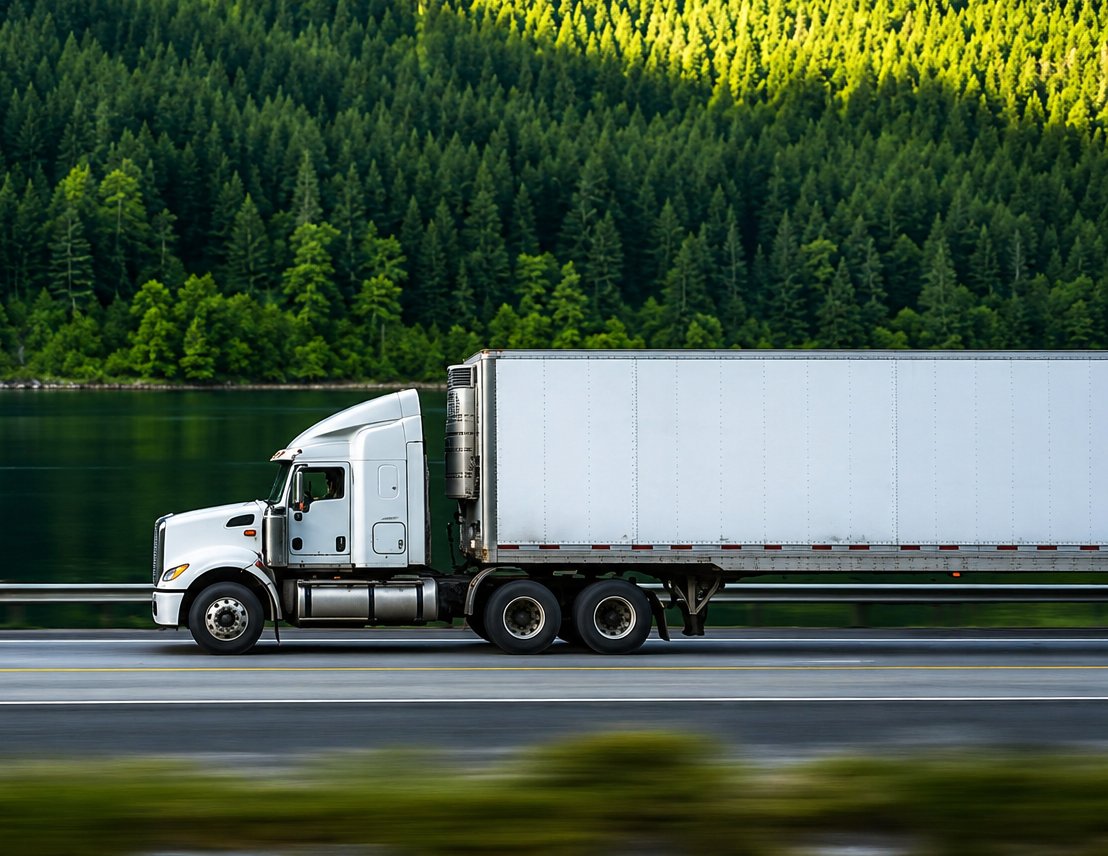
Freight services between Los Angeles and Missouri
Booked, dispatched, and delivered by one team.

Full Truckload
Full truckload service between Southern California and every Missouri market, dispatched daily with real-time tracking. Three days to KC, three and a half to St. Louis.
Learn More ➔
Intermodal
Rail from the LA basin to the Kansas City ramps in three to four days, one of the country's best intermodal complexes, with dray booked on both ends before the train leaves.
Learn More ➔.svg)
Transloading & Warehousing
Transload and warehousing at the San Pedro Bay complex: your import lands in Los Angeles, breaks down, and feeds Missouri's hub metros the same week.
Learn More ➔
Team Drivers - Expedited
Driver teams crossing in under two days for the launch, reset, and line-critical freight where the dock date is the point.
Learn More ➔The Missouri lane and the imports that ride it

The routing runs I-40 to I-44 into St. Louis or up to Kansas City, 1,620 miles to KC and 1,840 to STL, mild by transcon standards with Ozark ice bands the only recurring winter note. Delivery splits by hub: KC's rail-adjacent distribution belt and the northland DCs redistributing for the plains, St. Louis's Metro East industrial base and consumer ring, and the I-70 spine tying Columbia and the middle of the state to both.
Imports ride to the hubs the way everything does: consumer goods and components from China, machinery from Germany, landing at San Pedro Bay and moving east by truck in three days or by rail to the KC ramps when steady volume prefers the lower number, then fanning across the middle of the map from Missouri docks.
Kansas City · St. Louis · Columbia · Springfield · Joplin · St. Joseph
Los Angeles to Missouri freight: questions we get every day.
Transit times, rates, and what the lane actually requires.
FTL runs three days to Kansas City and about three and a half to St. Louis, with team service crossing in under two. Intermodal to the Kansas City ramps runs three to four days ramp to ramp.
Eastbound carries the headhaul, and Missouri's reship economy, two hub metros redistributing for the middle of the map, keeps return legs alive, which steadies pricing. Rates move with fuel, season, and equipment. Send the load specs and we return a real all-in quote.
Rail to the Kansas City ramps when volume is steady and cost is the point, the KC intermodal complex is one of the country's best. Truck when the freight is racing a date, team when the date is tomorrow. We quote the modes side by side per shipment.
Daily. The two metros anchor opposite ends of I-70 and behave like different states, KC as the rail-and-distribution hub feeding the plains, St. Louis as the eastern gateway with its own industrial base, and one file covers loads into either or both, sequenced against each metro's receiving reality.