.png)
Call Us 24/7/365
+1 (818) 600-0008FCL and LCL ocean freight from Tokyo, Yokohama, Nagoya, Kobe and Osaka,
plus air cargo from Narita and Haneda. Customs cleared, picked up at LA and
Long Beach, and delivered to your door anywhere in the U.S.
.jpg)
The United States is Japan's largest export market, buying $191 billion in Japanese goods in 2025, and each of Japan's five major ports feeds that flow differently. Tokyo is the country's largest container port at roughly 4.7 million TEU and leans toward consumer goods. Yokohama's deep-water berths at Honmoku work the biggest vessels on the transpacific. Nagoya, Japan's busiest port by total cargo, is the export gate for the Aichi auto and machinery belt. Kobe and Osaka anchor Kansai's manufacturers. Where your supplier sits decides your port, your sailing options, and your transit.
AEEM Shipping manages the full move: FCL bookings and LCL consolidations out of every major Japanese port, air cargo from Narita and Haneda, customs clearance coordinated through licensed partners while your freight is on the water, and same-day drayage at every San Pedro Bay terminal on arrival. One point of contact from Japanese origin to U.S. door, tracked in real time with 24/7 dispatch.
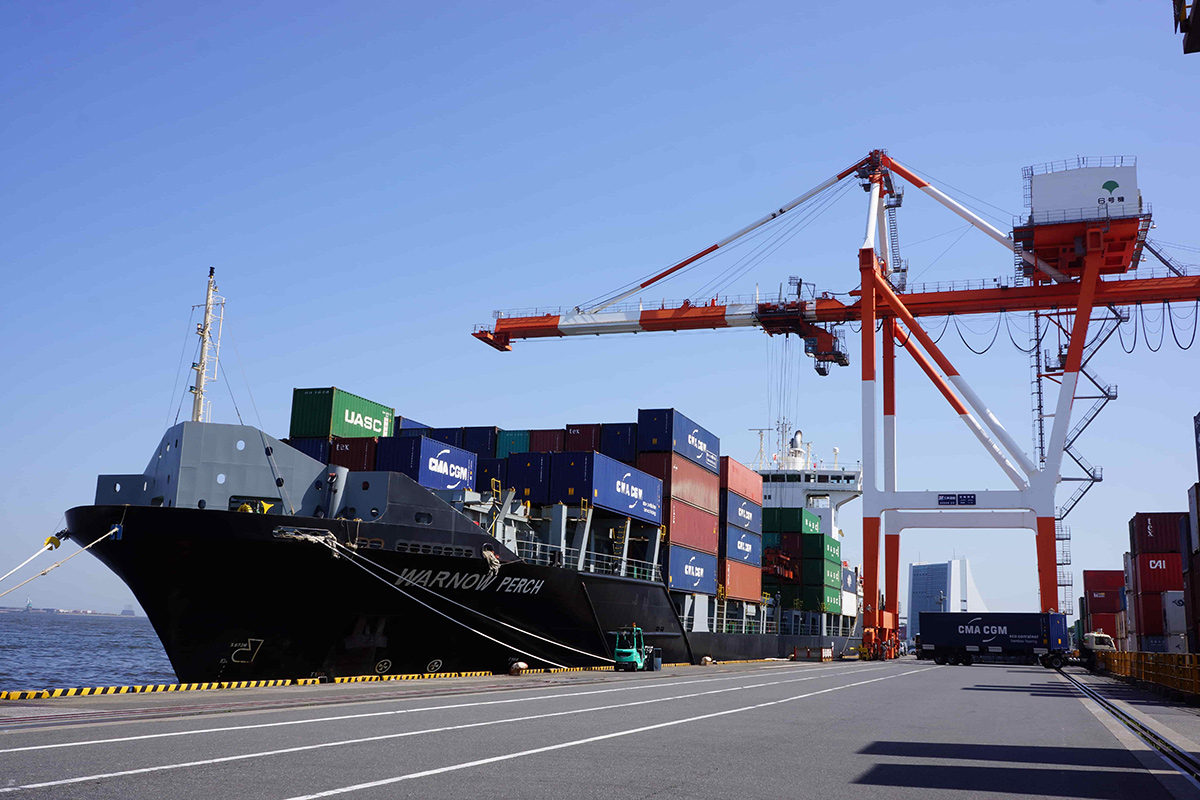
Origin port to final door, managed by one team.
.svg)
FCL and LCL container shipping from Tokyo, Yokohama, Nagoya, Kobe and Osaka on weekly transpacific sailings to LA and Long Beach.
Learn More ➔.svg)
Same-day and next-day pickup at every LA and Long Beach terminal, with pre-pull, overweight, and reefer capability.
Learn More ➔.svg)
TSA/IAC certified air cargo from Narita, one of the world's top ten cargo hubs, plus Haneda and Kansai, with nonstop lift to LAX in around 10 hours.
Learn More ➔
Entry filing, ISF, and FDA prior notice for food products, coordinated through licensed partners so Japanese imports clear and keep moving.
Learn More ➔
Japan runs some of the fastest, most reliable rotations on the transpacific: 11 to 14 days port to port from Tokyo Bay to San Pedro Bay on weekly services from ONE and the major alliances. The cargo skews high-value. Auto parts, industrial machinery, semiconductor equipment, precision electronics, and the fastest-growing corner of the lane, specialty food and beverage like matcha, sake, and packaged snacks, where an FDA-registered facility and a prior notice filing decide whether the shipment clears or gets refused at the port.
The lane punishes sloppy paperwork on both ends. Japanese container yards close roughly five days before sailing, and ISF must be filed with U.S. customs before your cargo is even loaded, so a late document at origin costs you a week, not a day. On arrival, a fast crossing means nothing if the box sits at the terminal burning free time. We book delivery appointments off the vessel ETA, keep chassis lined up, pre-pull when free time runs short, and build FDA filings into the booking instead of scrambling at arrival.
Tokyo · Yokohama · Nagoya · Kobe · Osaka
Learn more →
Straight answers on freight from Japan to the U.S.
Ocean freight from Tokyo or Yokohama to Los Angeles/Long Beach runs 11 to 14 days port to port, one of the fastest transpacific lanes. Nagoya, Kobe and Osaka sailings run similar schedules. East Coast routings via the Panama Canal take roughly 25 to 30 days. Add time for customs clearance and drayage to final delivery.
Rates move with container size, season, fuel surcharges, and the port pair, so anyone quoting a flat number without your details is guessing. Send us the origin, cargo, and volume and we return a real all-in quote covering ocean freight, destination charges, customs, and delivery.
If your cargo fills most of a 20-foot container, FCL is usually faster and cheaper per unit. Smaller volumes move LCL through CFS consolidation in Tokyo and Yokohama, which typically adds one to two weeks over FCL because of consolidation at origin and deconsolidation on arrival.
Ocean freight moves FCL and LCL from Tokyo, Yokohama, Nagoya, Kobe and Osaka. Air cargo departs Narita, Haneda and Kansai. If your supplier sits outside these gateways, we arrange inland pickup to the nearest port.
Yes. Matcha, sake, snacks, and packaged foods require an FDA-registered manufacturing facility and a prior notice filing before the shipment arrives. We coordinate those filings along with customs entry through licensed partners, so food shipments clear instead of getting refused at the port.
Our own drayage network picks up at every San Pedro Bay terminal, with pre-pull and overweight capability, then delivers to your door or transloads in the Inland Empire.