.png)
Call Us 24/7/365
+1 (818) 600-0008FCL and LCL ocean freight from Genoa, La Spezia and Naples, plus air cargo from Milan Malpensa.
Customs cleared, picked up at LA and Long Beach, and delivered to your door anywhere in the western U.S.

Italian exports to the U.S. topped $76 billion in 2025 and kept growing through the new tariff round, carried by the goods Italy is known for: industrial machinery, pharmaceuticals, wine and food, furniture, fashion and footwear, marble and stone. The northwest ports move most of it. Genoa is Italy's largest container port and the gate for the Milan and Turin industrial belt. La Spezia runs alongside it with strong transatlantic connections. Naples serves the south, and Livorno and Ravenna cover Tuscany and the Adriatic. California is the natural U.S. home for much of this cargo, from wine programs to furniture showrooms to food importers.
AEEM Shipping manages the full move: FCL bookings and LCL consolidations out of Genoa, La Spezia and Naples, air cargo from Milan Malpensa, customs clearance handled by licensed customs brokers while your freight is on the water, and same-day drayage at every San Pedro Bay terminal on arrival. One point of contact from Italian origin to U.S. door, tracked in real time with 24/7 dispatch.
.jpg)
Origin port to final door, managed by one team.
.svg)
FCL and LCL container shipping from Genoa, La Spezia and Naples on all-water services through the Panama Canal to LA and Long Beach.
Learn More ➔.svg)
Same-day and next-day pickup at every LA and Long Beach terminal, with pre-pull, overweight, and reefer capability.
Learn More ➔.svg)
TSA/IAC certified air cargo from Milan Malpensa for fashion launches, samples, and time-critical shipments to LAX.
Learn More ➔
Entry filing, ISF, FDA prior notice for food, and TTB requirements for wine and spirits, handled by licensed customs brokers.
Learn More ➔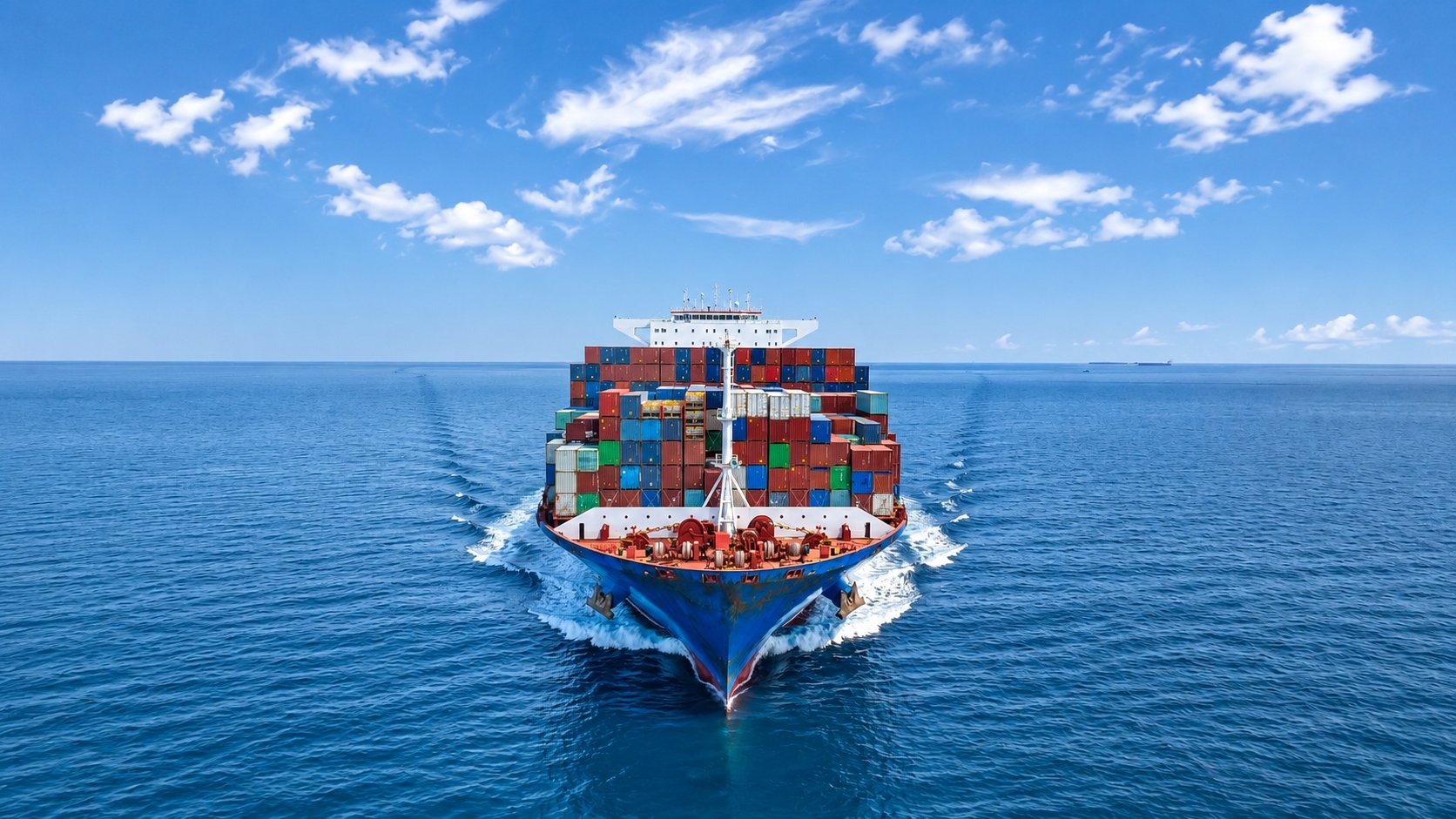
Italy ships taste and precision in the same vessel: machine tools and packaging equipment for factories, wine and olive oil and cheese for the table, furniture and lighting from the Brianza workshops, marble from Carrara, footwear and leather goods for the boutiques. A Mediterranean origin also shortens the Pacific math, since Genoa sits closer to Panama than the North European ports, putting all-water services into San Pedro Bay in roughly 24 to 29 days. For the wine, food, and design volume that lives in California, discharging in LA beats an East Coast pier plus a cross-country move on both cost and handling.
Food and wine set this lane's paperwork bar. Wine and spirits need TTB importer permits and label approvals before the first bottle lands. Food products need an FDA-registered facility and prior notice ahead of arrival. Cheese and cured meats carry their own FDA and USDA rules, and temperature-sensitive loads ride reefers that need cold chain discipline from the Ligurian quay to the California warehouse. We build those filings into the booking, clear entries through licensed customs brokers while the freight is on the water, and on arrival run reefer-capable drayage with appointments set off the vessel ETA.
Port list line
Genoa · La Spezia · Naples
Straight answers on freight from Italy to the U.S.
All-water services from Genoa and La Spezia through the Panama Canal reach LA and Long Beach in roughly 24 to 29 days port to port. Naples and southern origins run similar schedules. Add time for customs clearance and drayage to final delivery.
It depends where you are. If your distribution is in California or the western U.S., an all-water routing to LA usually beats East Coast discharge plus a transcontinental inland move on total landed cost. We compare both ways for your specific lane before booking.
Rates move with container size, season, fuel surcharges, and routing. Send us the origin, cargo, and volume and we return a real all-in quote covering ocean freight, destination charges, duties, and delivery.
If your cargo fills most of a 20-foot container, FCL is usually faster and cheaper per unit. Smaller volumes move LCL through consolidation at Genoa and La Spezia, which typically adds one to two weeks over FCL because of consolidation at origin and deconsolidation on arrival.
Yes. Wine and spirits require TTB importer permits and label approvals, and food products require an FDA-registered facility and a prior notice filing before arrival. We coordinate those requirements per shipment, with entries handled by licensed customs brokers, and run reefer drayage and cold chain delivery on arrival.
Our own drayage network picks up at every San Pedro Bay terminal, with pre-pull and overweight capability, then delivers to your door or transloads in the Inland Empire.