.png)
Freight Shipping Between
Los Angeles and Hawaii
Ocean, Air & Island Freight
The islands' lifeline loads in our harbor: about five days on the water from San Pedro Bay
to Honolulu, next-day by air, with consolidation that turns pallets into sailings.
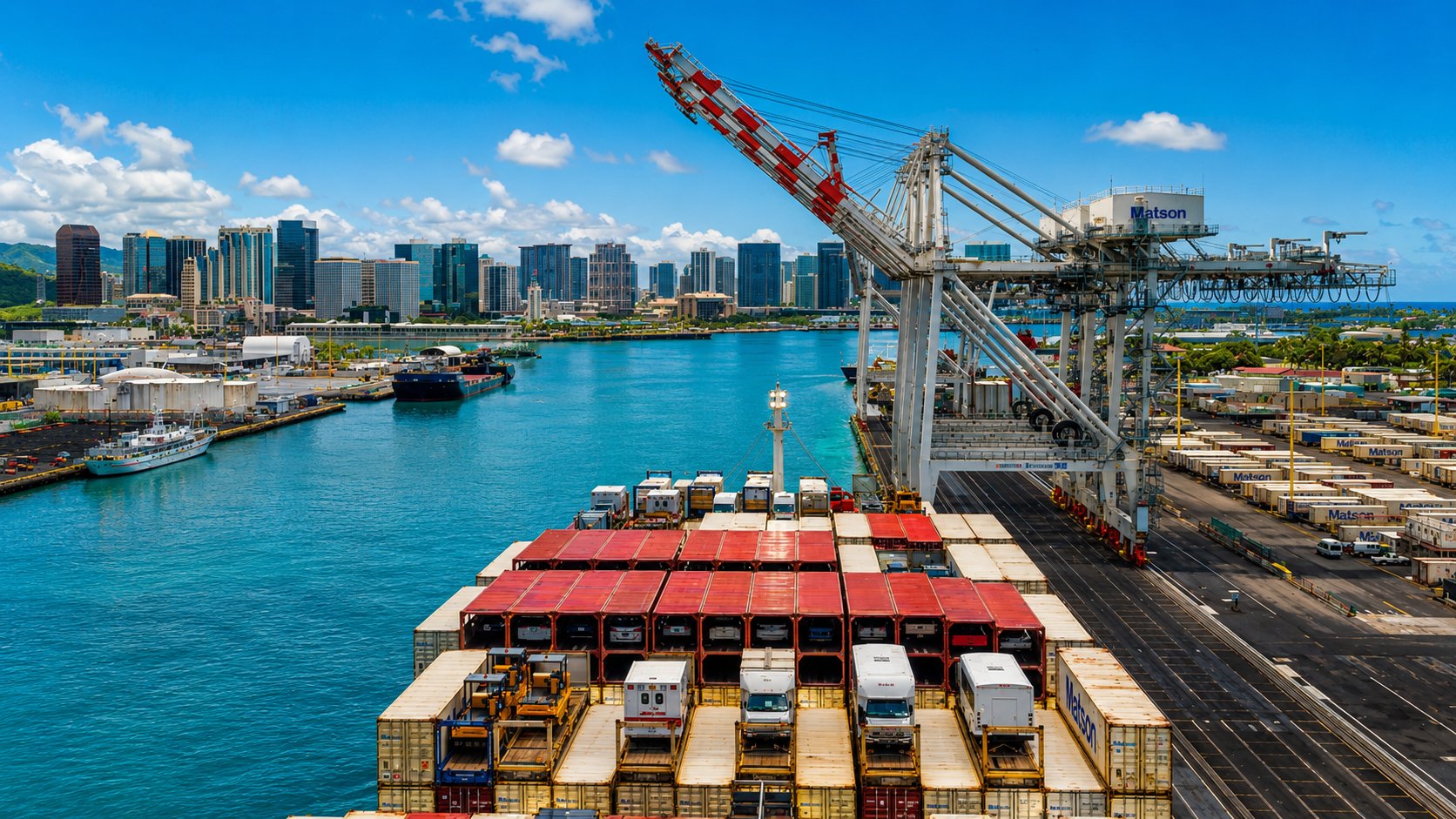
Los Angeles to Hawaii freight, handled end to end
Hawaii imports nearly everything it uses, and the supply line runs through our home port: the U.S.-flag vessels serving the islands load at San Pedro Bay on multiple weekly sailings, crossing 2,560 miles of Pacific to Honolulu in about five days. Building materials, retail inventory, food, vehicles, and equipment all ride the same trade, and the freight that cannot wait flies next-day from LAX.
AEEM Shipping runs the lane from the origin side we own: pickup anywhere on the mainland, consolidation at our Southern California warehousing, drayage on our own network to the Hawaii-bound terminals, ocean booking against real cutoffs, air when the calendar demands it, and island delivery coordinated through Honolulu and the interisland relay. One team, one tracking thread, 24/7 dispatch.
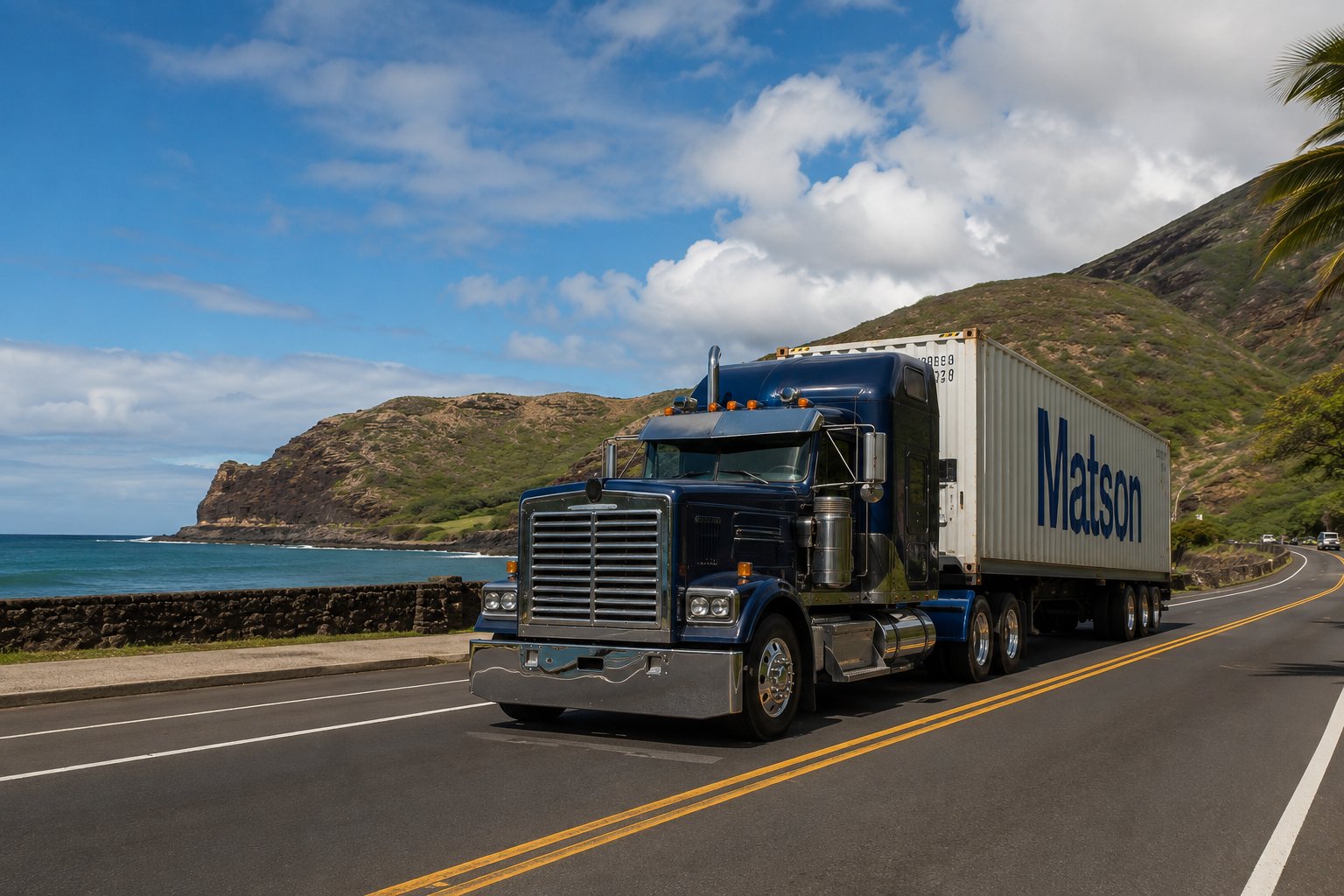
Freight services between Los Angeles and Hawaii
Booked, dispatched, and delivered by one team.

Ocean Freight
Full containers and consolidated freight on the U.S.-flag sailings from San Pedro Bay, booked against real cutoffs with about five days on the water to Honolulu.
Learn More ➔.svg)
Port Drayage
Container drayage on our own network at the San Pedro Bay complex, running your Hawaii-bound boxes to the terminals and empties back without a broker in between.
Learn More ➔
Transloading & Warehousing
Southern California consolidation that turns pallets and partial loads into shared containers on the next sailing, priced by the space you use.
Learn More ➔.svg)
Air Freight
Next-day lift from LAX for the parts, perishables, and deadlines a vessel cannot serve, quoted alongside the ocean so the right mode wins per shipment.
Learn More ➔The Hawaii lane, from our dock to the harbor
The lane runs on a vessel calendar, not a highway: freight receives at our Southern California dock ahead of cutoff, drays to the terminal on our own network, sails about five days to Honolulu, discharges, and delivers across Oahu inside a day or two. The schedule is the discipline, the vessel does not wait, and cutoffs get treated as contracts.
Beyond Oahu the map keeps its own time: most neighbor-island freight rides the interisland barge relay out of Honolulu, adding days the quote names up front, while select direct sailings serve Maui, Hawaii Island, and Kauai on their own rotations. Air from LAX stands as the relief valve for the misses and the deadlines, next-day to the islands when the water cannot serve.
Honolulu / Oahu · Maui / Kahului · Hawaii Island / Hilo & Kona · Kauai / Nawiliwili · Interisland relay
Supplying the islands through Los Angeles
The manifest is an economy in miniature: retail and consumer inventory, construction materials for islands that import their lumber and steel, food and beverage on temperature discipline, vehicles on the trade's roll-on programs, and project cargo on flat racks, all of it consolidating at our Southern California warehousing before the sail.
The lane's quiet advantage is the transship play only a Los Angeles operator runs natively: Asia-origin goods from China land at San Pedro Bay, clear, consolidate at our dock, and sail west on the next vessel, mainland and Asia freight sharing one container, one file, and one operator from factory or first pickup to the island door.

Los Angeles to Honolulu freight
Honolulu is the trade's front door: the sailings from San Pedro Bay discharge at the harbor that feeds the state, and the door-to-door rhythm is learnable, receive by cutoff, sail about five days, discharge, deliver across Oahu inside a day or two. Steady shippers run it like a conveyor: weekly consolidations, standing bookings, and a calendar their receivers can set inventory by.
The origin side is where we live: your mainland freight lands at our Southern California dock from anywhere in the country, consolidates or loads full, and rides our own drayage to the terminal, one operator from first pickup to the harbor, with air from LAX as the standing relief valve when a sailing is missed or a deadline moves.
Los Angeles to Hawaii freight: questions we get every day.
Transit times, rates, and what the lane actually requires.
The vessel crossing runs about five days from San Pedro Bay to Honolulu, and the honest door-to-door number is eight to ten: receiving and cutoff ahead of the sailing, the water, discharge, and island delivery. Air freight lands next-day from LAX when the calendar cannot wait.
Hawaii is a dedicated U.S.-flag ocean trade with its own rate structure: full containers price by the box, smaller shipments price by cubic foot through consolidation, and air prices by weight and urgency. Fuel and season move all three. Send the shipment specs and we return a real all-in number, ocean and air side by side.
Ocean wins on cost and carries almost everything the islands use, on a calendar you plan around cutoffs. Air wins when the date is the point, next-day from LAX for the parts, perishables, and deadlines a five-day crossing cannot serve. Most of our Hawaii clients run both on one file, ocean for the volume, air for the emergencies.
All of them, with the honest routing: most neighbor-island freight discharges at Honolulu and rides the interisland barge relay, which adds days to the schedule, while select direct sailings serve neighbor-island ports on their own rotations. We quote your island's real calendar, not Honolulu's.
Yes, it is the trade's daily bread. Consolidation at our Southern California warehousing turns pallets and partial loads into shared containers on the next sailing, priced by the space you use, with your freight received, documented, and tracked on one file from our dock to your island.
Yes: vehicles ride the trade's roll-on programs, and oversized and project cargo moves on flat racks and open-top equipment with the securement and booking lead time the vessel requires. The ocean schedule is unforgiving, so oversize bookings start early and cutoffs get treated as contracts.