.png)
Call Us 24/7/365
+1 (818) 600-0008FCL and LCL ocean freight from Le Havre and Fos-sur-Mer, plus air cargo from Paris Charles de Gaulle.
Customs cleared, picked up at LA and Long Beach, and delivered to your door anywhere in the U.S.

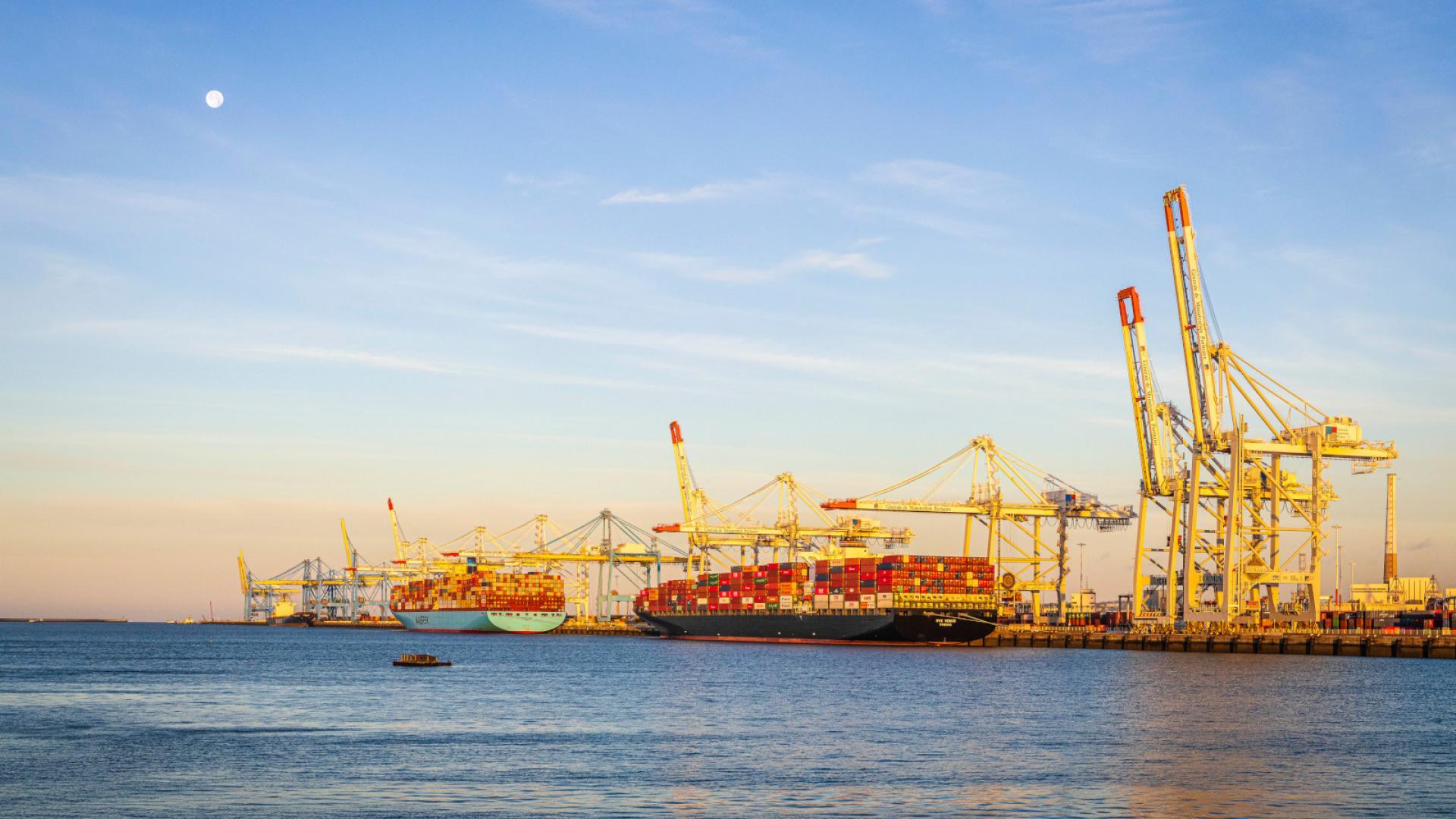
France ships over $60 billion in goods to the U.S. every year, and the mix reads like a French export catalog: wine, champagne and cognac, perfumes and cosmetics, industrial machinery, pharmaceuticals, leather goods and gourmet food. Two coasts, two gateways. Le Havre on the Atlantic is France's largest container port and serves Paris and the northern industrial regions. Fos-sur-Mer outside Marseille covers the Mediterranean side, closest to the Rhone Valley and the southern producers. California is where much of this cargo lives, from wine programs and restaurant importers to beauty retail.
AEEM Shipping manages the full move: FCL bookings and LCL consolidations out of Le Havre and Fos-sur-Mer, air cargo from Paris Charles de Gaulle, customs clearance handled by licensed customs brokers while your freight is on the water, and same-day drayage at every San Pedro Bay terminal on arrival. One point of contact from French origin to U.S. door, tracked in real time with 24/7 dispatch.
Origin port to final door, managed by one team.
.svg)
FCL and LCL container shipping from Le Havre and Fos-sur-Mer on all-water services through the Panama Canal to LA and Long Beach.
Learn More ➔.svg)
Same-day and next-day pickup at every LA and Long Beach terminal, with pre-pull, overweight, and reefer capability.
Learn More ➔.svg)
TSA/IAC certified air cargo from Paris Charles de Gaulle, one of Europe's largest cargo hubs, for cosmetics, luxury goods, and time-critical shipments to LAX.
Learn More ➔
Entry filing, ISF, FDA prior notice for food and cosmetics, and TTB requirements for wine and spirits, handled by licensed customs brokers.
Learn More ➔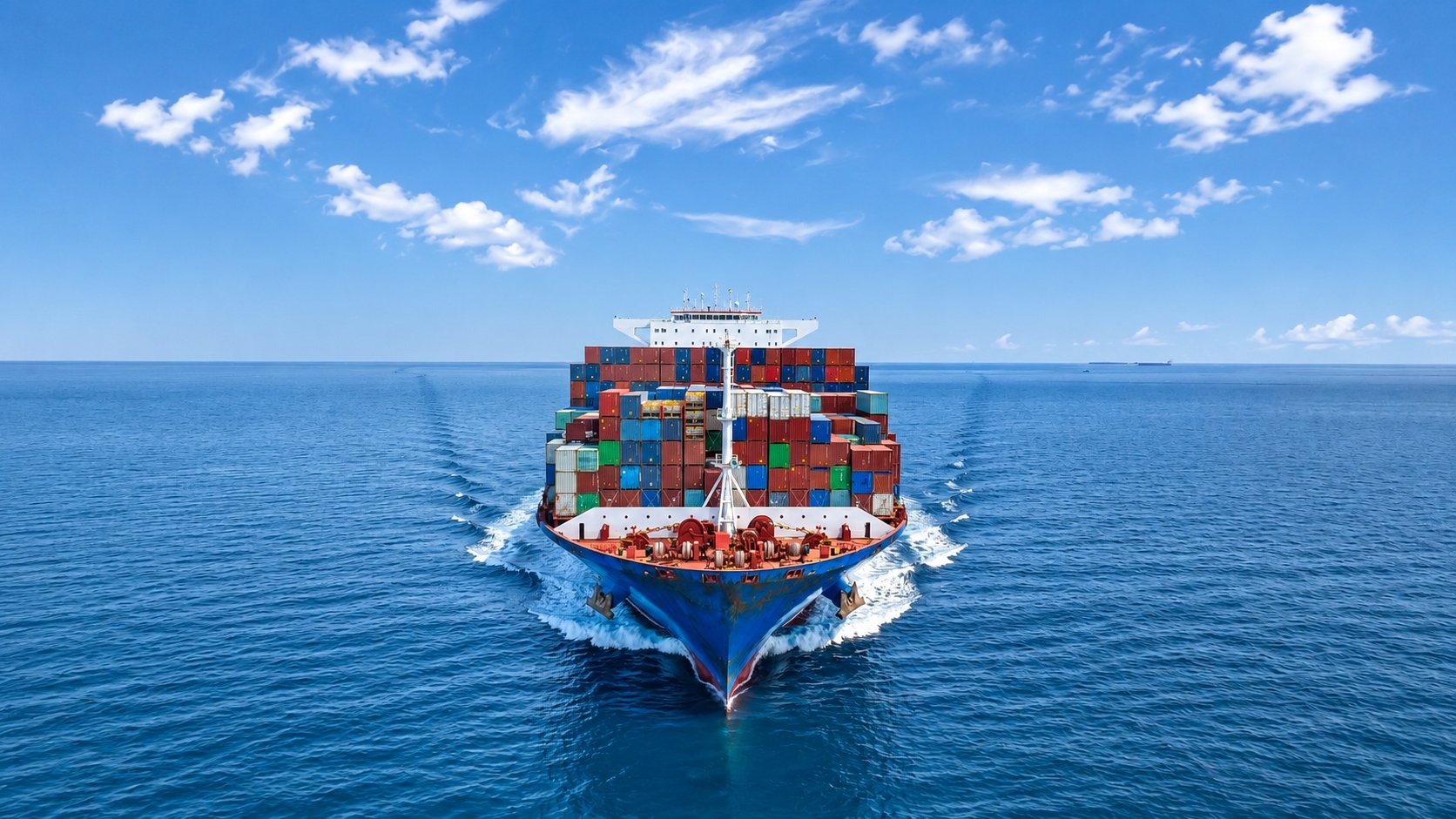
Nobody ships more wine and spirits value to the U.S. than France, and the lane is built around it: champagne and Burgundy out of Le Havre, Rhone and Provence through Fos-sur-Mer, cognac in bond, alongside the perfumes, cosmetics, machinery and leather goods that fill the rest of the vessel. All-water services reach San Pedro Bay in roughly 26 to 31 days from Le Havre and 25 to 30 from the Mediterranean. For cargo headed to California cellars, retailers and distributors, discharging in LA skips the cross-country leg an East Coast pier would add.
Wine sets the operating bar. Bottles need TTB importer permits and label approvals before arrival, temperature-sensitive loads ride reefers or insulated containers because a container crossing two oceans through the tropics can cook an unprotected pallet, and summer bookings get planned around heat. Food and cosmetics carry FDA requirements of their own. We build the filings into the booking, clear entries through licensed customs brokers while the freight is on the water, and on arrival run reefer-capable drayage with appointments set off the vessel ETA and pre-pulls when free time runs short.
Port list line
Le Havre · Fos-sur-Mer
Straight answers on freight from France to the U.S.
All-water services from Le Havre through the Panama Canal reach LA and Long Beach in roughly 26 to 31 days port to port, and Fos-sur-Mer runs 25 to 30. Add time for customs clearance and drayage to final delivery.
It depends where your customers are. If your distribution is in California or the western U.S., an all-water routing to LA usually beats East Coast discharge plus a transcontinental inland move on total landed cost. We compare both ways for your specific lane before booking.
Rates move with container size, season, fuel surcharges, and routing, and reefer or insulated equipment for wine prices differently than standard dry. Send us the origin, cargo, and volume and we return a real all-in quote covering ocean freight, destination charges, duties, and delivery.
If your cargo fills most of a 20-foot container, FCL is usually faster and cheaper per unit. Smaller volumes move LCL through consolidation at Le Havre, which typically adds one to two weeks over FCL because of consolidation at origin and deconsolidation on arrival.
Yes. Wine, champagne and spirits require TTB importer permits and label approvals before arrival, and temperature-sensitive shipments move in reefer or insulated containers with cold chain drayage on arrival. We coordinate those requirements per shipment, with entries handled by licensed customs brokers.
Our own drayage network picks up at every San Pedro Bay terminal, with pre-pull and overweight capability, then delivers to your door or transloads in the Inland Empire.