.png)
Call Us 24/7/365
+1 (818) 600-0008FCL and LCL ocean freight from Santos, Paranagua and Itajai, plus air cargo from Sao Paulo.
Customs cleared, picked up at LA and Long Beach, and delivered to your door anywhere in the U.S.

Brazil shipped $39.9 billion in goods to the U.S. in 2025, one of the widest catalogs in the hemisphere: coffee from the world's largest producer, wood pulp and lumber, steel articles, granite and quartzite, machinery, footwear, beef and orange juice. Santos outside Sao Paulo is Latin America's largest container port and moves the bulk of it. Paranagua serves the southern agricultural and industrial states, and Itajai and Navegantes anchor the reefer trade out of Santa Catarina. All of them sit on the Atlantic, which makes routing the first decision on every Brazilian shipment.
AEEM Shipping manages the full move: FCL bookings and LCL consolidations out of Santos, Paranagua and Itajai, air cargo from Sao Paulo, customs clearance handled by licensed customs brokers while your freight is on the water, and same-day drayage at every San Pedro Bay terminal on arrival. One point of contact from Brazilian origin to U.S. door, tracked in real time with 24/7 dispatch.
.jpg)
Origin port to final door, managed by one team.
.svg)
FCL and LCL container shipping from Santos, Paranagua and Itajai on routings through the Panama Canal to LA and Long Beach.
Learn More ➔.svg)
Same-day and next-day pickup at every LA and Long Beach terminal, with overweight capability for granite and stone loads, plus pre-pull and reefer equipment.
Learn More ➔.svg)
TSA/IAC certified air cargo from Sao Paulo for samples, parts, and time-critical shipments to LAX.
Learn More ➔
Entry filing, ISF, tariff classification through a volatile duty period, and FDA prior notice for food products, handled by licensed customs brokers.
Learn More ➔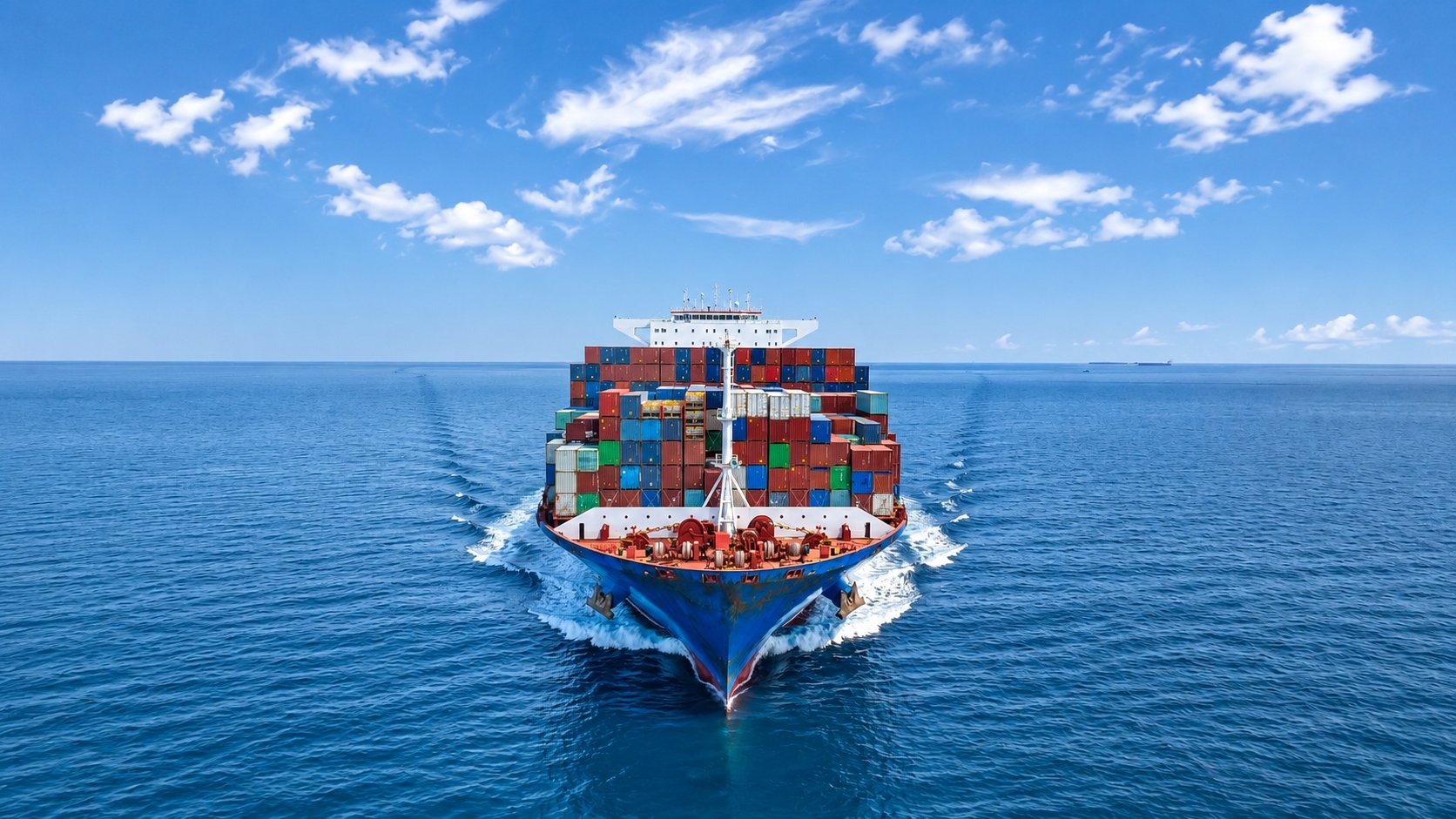
Brazilian cargo defaults to the East Coast and the Gulf, since the Atlantic geography favors New York, Savannah, Houston and New Orleans, so a Los Angeles routing is a deliberate choice, and the right one when your distribution sits in the West. Panama Canal routings from Santos reach San Pedro Bay in roughly 24 to 30 days, and the cargo that makes the trip tends to be West Coast native: granite and quartzite slabs for California fabricators, some of the heaviest boxes on the water, coffee for West Coast roasters, footwear for the retail DCs, and frozen beef in reefers.
We run the routing comparison per shipment, LA against Gulf or East Coast discharge plus the inland leg, on total landed cost, because Brazilian freight punishes defaults in both directions. The lane's duty picture has also moved repeatedly through 2025 and 2026, so classification review happens at booking, not at entry, and stone at 25 tons a box needs overweight permits and tri-axle chassis arranged before the vessel docks. ISF files before loading, entries clear through licensed customs brokers while the freight is on the water, and reefer loads run unbroken cold chain from Itajai to the delivery dock.
Port list line
Santos · Paranagua · Itajai
Straight answers on freight from Columbia to the U.S.
Routings from Santos through the Panama Canal reach LA and Long Beach in roughly 24 to 30 days port to port. Paranagua and Itajai run similar schedules. Add time for customs clearance and drayage to final delivery.
It depends where your customers are. Atlantic geography makes the East Coast and Gulf the default for Brazilian cargo, but if your distribution is in California or the western U.S., an LA discharge avoids a long inland leg on every container. We compare total landed cost across the options for your specific lane before booking.
Rates move with container size, season, fuel surcharges, and routing, and Brazil's duty picture has shifted repeatedly, so classification review matters as much as the freight rate. Send us the origin, cargo, and volume and we return a real all-in quote covering ocean freight, destination charges, duties, and delivery.
If your cargo fills most of a 20-foot container, FCL is usually faster and cheaper per unit. Smaller volumes move LCL through consolidation at Santos, which typically adds one to two weeks over FCL because of consolidation at origin and deconsolidation on arrival.
Yes. Granite and quartzite slabs routinely ship overweight and need permitted drayage with tri-axle chassis on arrival, which we arrange before the vessel docks, along with the tariff classification for stone products. Entries are handled by licensed customs brokers.
Our own drayage network picks up at every San Pedro Bay terminal, with pre-pull and overweight capability, then delivers to your door or transloads in the Inland Empire.